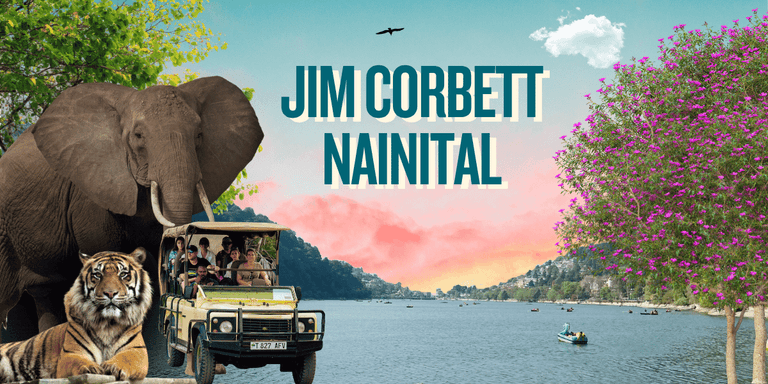
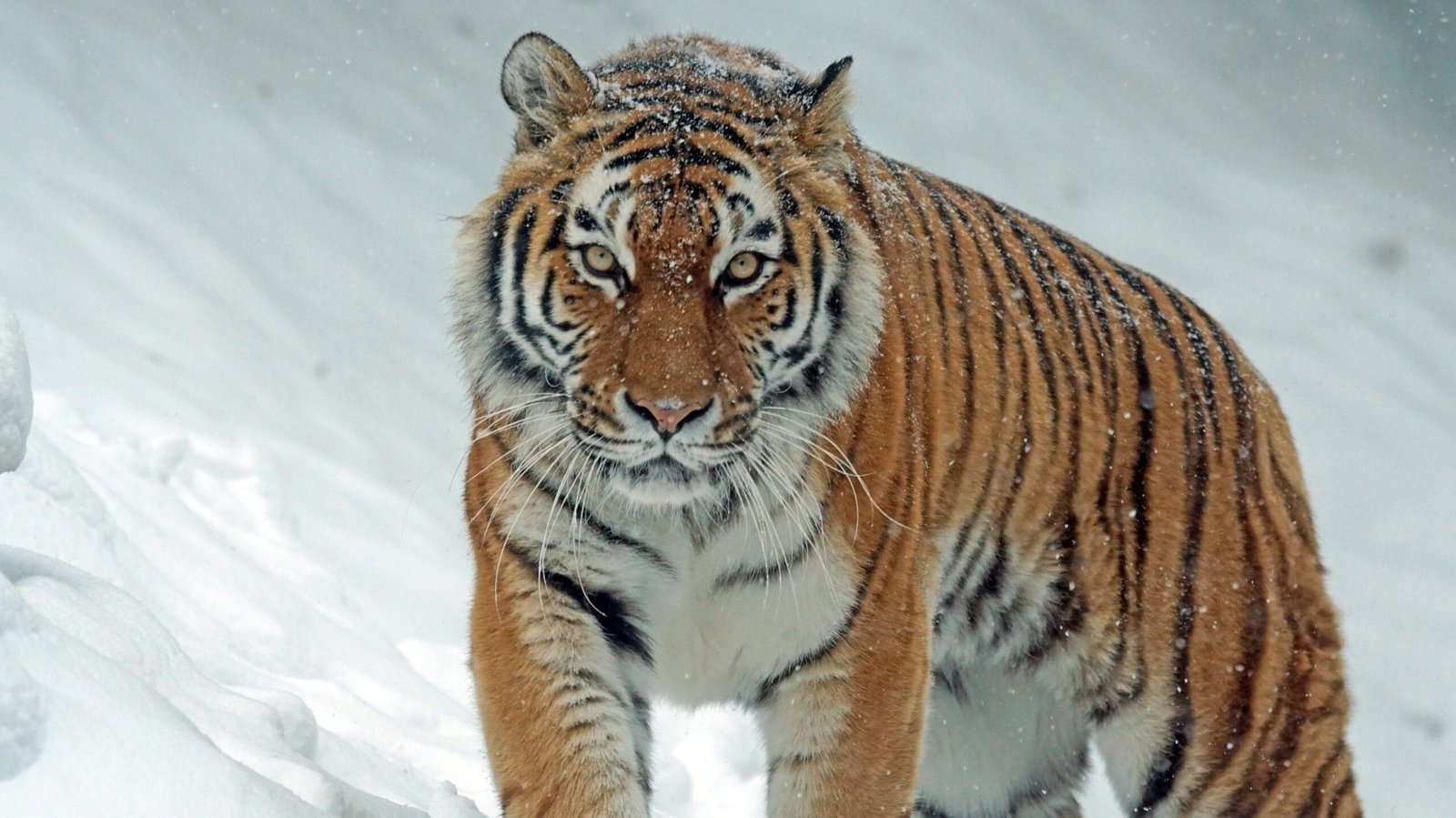
Nestled in the foothills of the Himalayas, just 300 km north of the capital, New Delhi, lies Corbett National Park, one of India’s oldest and finest wildlife sanctuaries, renowned as a tiger haven.
Named in honor of Jim Corbett, the legendary hunter who rid the region of the scourge of many man-eating tigers and later dedicated his life to conserving wildlife, Corbett National Park today has become a premier tiger safari destination of India.
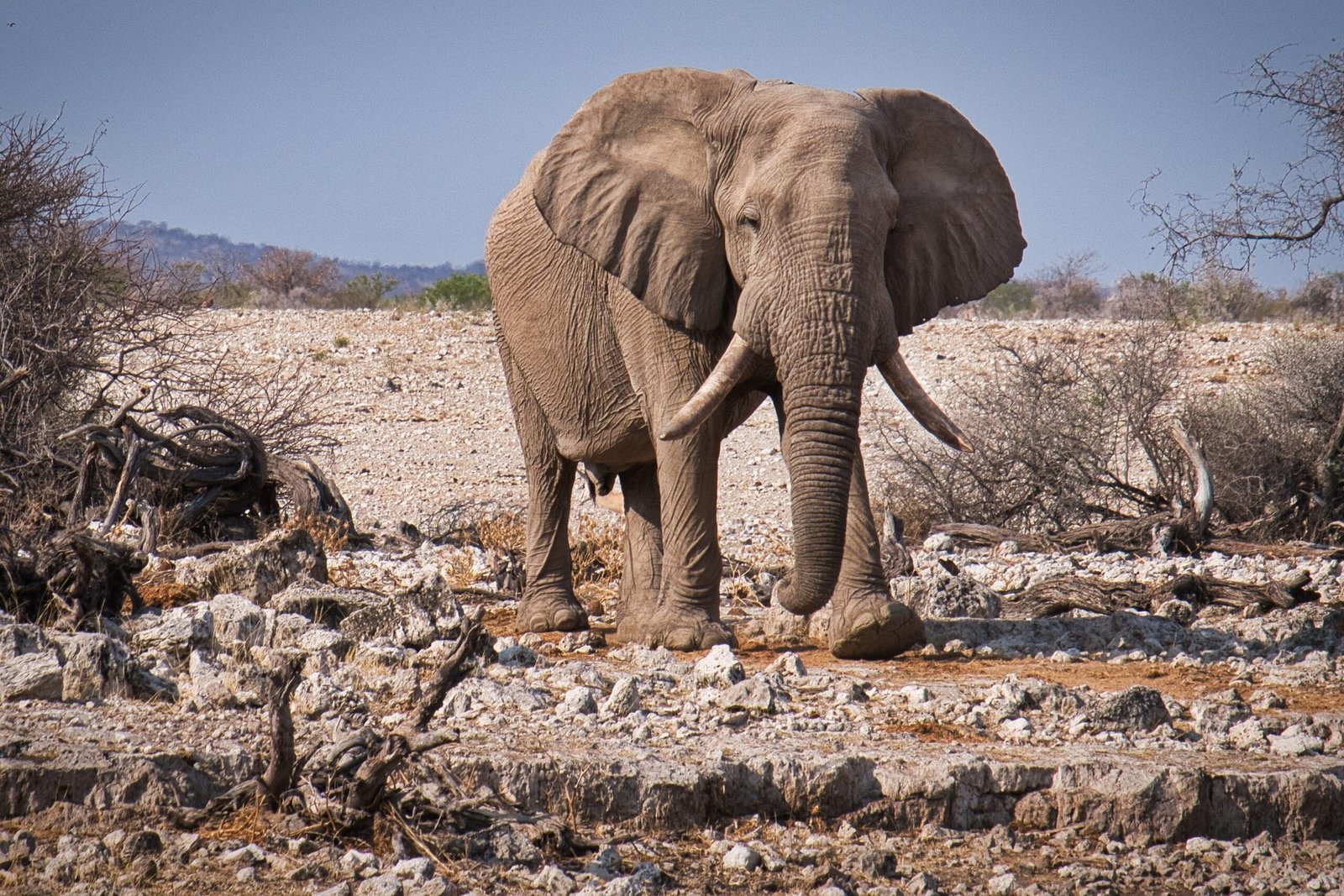
Apart from tigers, elephants and birds are another major attraction in the park, drawing wildlife enthusiasts from all over the world eager to witness the grandeur of the gentle giants and the winged beauties.
Corbett’s diverse array of wildlife has made it one of the most sought-after safari destinations for those who want to experience the best of India’s wilderness. This iconic national park is known for its legacy and high tiger density, which means you have an incredible chance to witness this majestic cat walk nonchalantly over the forest floor.
Book your wildlife holidays through trusted brands like Naturetrek to be assured of a hassle-free adventure with the most knowledgeable guides.
Visiting Corbett National Park
Corbett National Park opens its doors to visitors from 15 th November to 15 th June, offering different experiences across three well-defined seasons. However, the best time to visit the park depends entirely on individual preferences and priorities.
Winter (November to February)
Winters in Corbett can be cold and foggy, but the early-morning frost creates a magical backdrop for photographing in the wild.
As the sun rises and warms the air, the morning and afternoon safaris become a mesmerising experience, even though wildlife spotting is a bit difficult because of the tall grass.
Summer (March to June)
Summer is without doubt the best time for tiger spotting as the heat and scarcity of water inside the forests draw them to the only existing water sources of the Ramganga river which flows through the park.
During this period, tigers can be seen lounging on the river banks to seek relief from the scorching rays of the sun. This is a prime time to photograph these elusive cats in their natural habitat.
Monsoon (July to October)
The main core areas of the park remain closed during the monsoon season as the inner roads become inaccessible because of heavy rains and flooding. The park animals also get a well-deserved respite from human activity.
Two zones, Dhela and Jhirna remain open throughout the year for morning and evening safaris to enable the die-hard wildlife lover to experience wildlife viewing with fewer crowds, but in wet conditions.
Staying Options – Inside Zones of Corbett National Park
Corbett National Park is divided into four different zones, each with their own entry point. They are detailed as follows:
Dhikala Zone
Located some 31km deep inside the park, the Dhikala zone is accessible from the Dhangari gate which is 19 km from the city of Ramnagar which serves as the base point for entry to the park.
Dhikala is easily the most sought-after place to stay in Corbett as the camp is located on the banks overlooking the Ramganga river, offering unparalleled views of the river and the grasslands below.
The famous Dhikala grassland “chaur” is a mecca for tigers and large elephant herds, best viewed by gypsy safaris on designated times, both in the morning and the evening.
Night stay permits can be booked online on the official website Corbettgov.org 45 days in advance for Indians and 90 days in advance for foreigners for both night stay and day safari in the allotted zones.
For those with limited time, the forest department runs four 16-seater canter services from Ramnagar to Dhikala and back in the morning and in the afternoon. Tickets can be booked from the forest department office in Ramnagar in advance or on the spot if available.
Bijrani Zone
Second in popularity behind Dhikala, the Bijrani zone entry point is from the Aamdanda gate, barely 2 km away from Ramnagar town.
The area features a blend of dense Sal forests and grasslands with a picturesque forest rest house nestled between them, to provide guests a thrilling night stay experience in the heart of the jungle.
Guests can avail of gypsy safaris in the morning and afternoon in the company of knowledgeable guides who readily point out the flora and fauna to the visitors.
Jhirna Zone
Since the Jhirna zone is open round the year, it has become one of the most frequented safari zones in Corbett for day safaris after its inauguration in 1994.
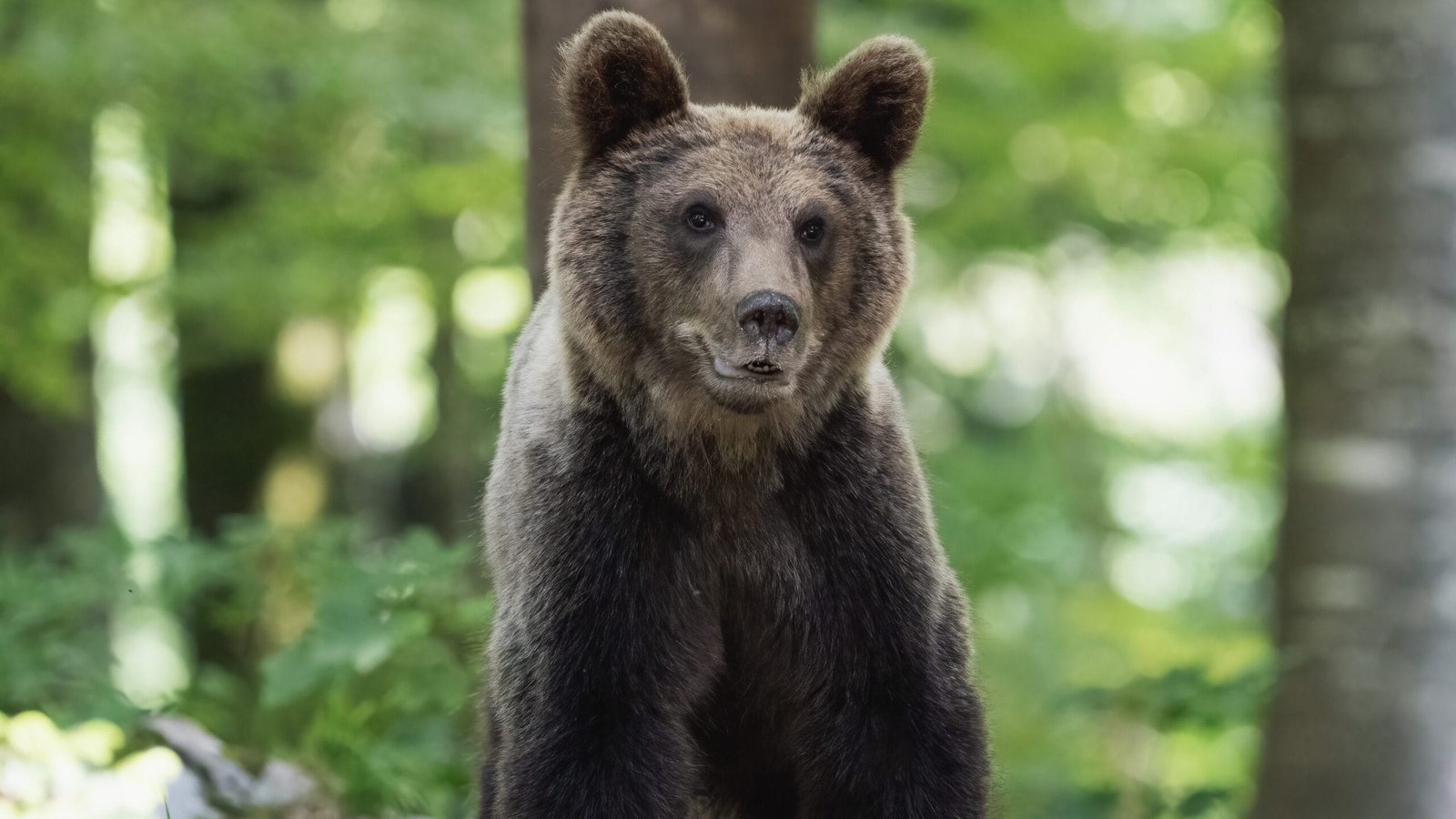
The Jhirna Forest Rest House offers night stay options when the park remains open, but otherwise, day visits are allowed all through the year. Tiger, elephant and sloth bear sightings have been recorded here from time to time.
Dhela Zone
Dhela zone was added to Corbett in 2014 and like Jhirna is open for day safaris throughout the year. Entry to the zone is from the Dhela gate, about 29 km from Ramnagar, after passing through a five km pristine patch of Sal forest on either side.
Besides the occasional big cat sighting, the Dhela zone is better known as a popular birding destination with many good species having been recorded here. A two-room Forest Rest House offers night stay opportunities to visitors during the park’s opening months.
Durga Devi Zone
The Durga Devi gate is located around 30 km from Ramnagar and is the furthest of all entry points to Corbett. The zone is blessed with the waters of both the Ramganga and the Mandal rivers, resulting in a captivating landscape for nature lovers.
Durga Devi zone not only offers a unique wildlife experience, but the hilly topography and rich biodiversity makes it a haven for bird watchers with sightings of exotic rare species.
Staying Options – Outside Corbett National Park
While staying inside the park is a dream for many, the accommodation is mainly basic with limited amenities. For those seeking luxury to add to their wildlife experience, can consider staying in any of the high-end lodges and resorts located on the periphery of the park. Some names to consider are:
- Taj Hideaway
- Treat Imperial Corbett
- Marriott Corbett
- Tarangi Corbett
Getting to Corbett National Park
Corbett National Park is easily accessible from anywhere in India through different modes of travel.
By Road 250km/6 hours(Best option)
Corbett is well-connected by a national highway from Delhi via Moradabad bypass and Kashipur. The roads are good for most part of the journey and is the best option for those travelling in groups. There are an adequate number of comfort stops and roadside eateries on the way.
By Air
The nearest International Airport is the Indira Gandhi International Airport at New Delhi. The airport is 275 km away from Corbett and follows the same road route as above.
There is another domestic airport at Pantnagar about 63 km from Ramnagar which has a daily connection in the afternoon with Delhi but involves much longer travel time and is regarded as inconvenient.
Visitors can also choose between private car hire and commercial transport services when travelling to Corbett. Private cars offer greater comfort, flexibility and direct hotel transfers, making them ideal for families and groups. Commercial transport options such as buses, shared taxis and shuttle services are generally more affordable but may involve fixed schedules, multiple stops and less convenience. Travellers should choose the option that best suits their budget, group size and travel preferences.
By Train
A good option for solo travelers or for those who want to save on overnight stay in a hotel is by taking the night train from Old Delhi railway station.
The 15013 Ranikhet Express departs at 2205 hrs and reaches Ramnagar at 0415 hrs the next morning(725/- 2AC). Autos and taxis are available at the station to take you to your hotel, though you are well-advised to ask your hotel to arrange a transfer.
Alternatively, there is a day train from Old Delhi Railway Station departing at 1600 hours and arriving at Ramnagar at 2100 hours.Train number 15035 Uttar Samoark Kranti Express. Both trains get booked in advance so make sure to purchase your ticket accordingly.(395/-AC chair)