The Char Dham Yatra is a progressive religious journey and journey on four sacred shrines of the Garhwal Himalayas of Uttarakhand. In order to completely internalize the divine energies of these places, most of the pilgrims prefer to Explore Char Dham Yatra Places with Comfort Ride.
- Yamunotri (The Origin): This is the seat of Yamuna goddess which symbolizes the source of the holy river. It is an image of self-restraint and inhibition of earthly urges in the beginning of the path.
- Gangotri (Purification): This shrine is a tribute to the goddess Ganga, a divine aspect that is dedicated to spiritual purification and Godly grace, and where the sacred river comes down off the mountains.
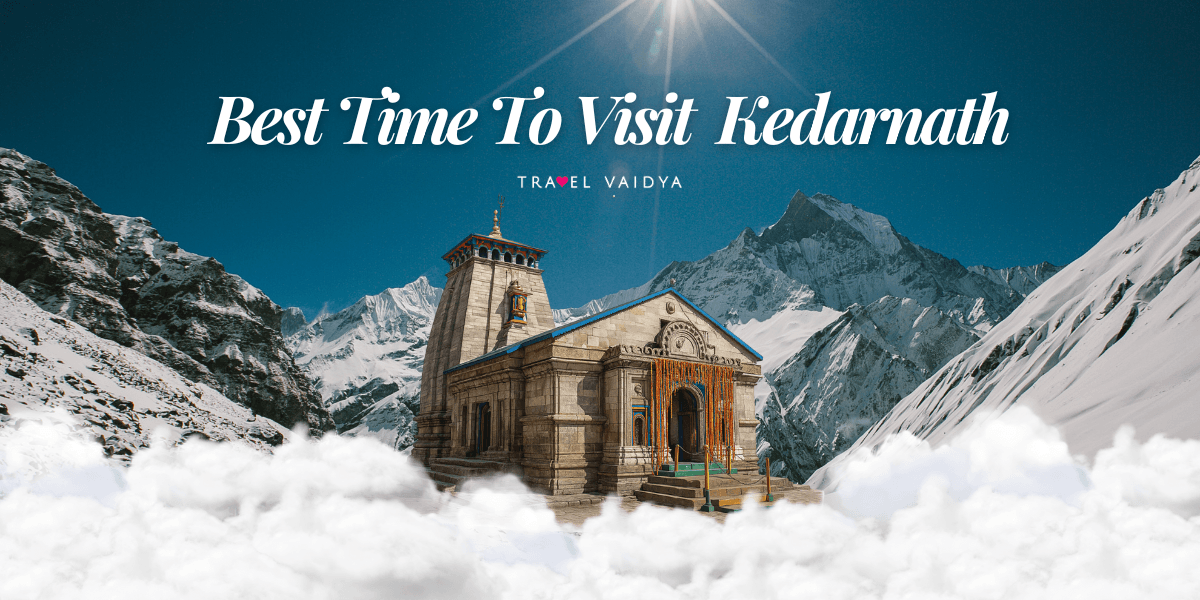
- Kedarnath (Renunciation): This Jyotirlinga of Lord Shiva is high up the Himalayas, and is an image of renouncing oneself and enduring the physical self to achieve the divine.
- Badrinath (The Culmination): This is the last point where the spiritual tranquility and the spiritual fulfillment of the devotees is achieved when they offer their Bhakti (devotion) to Lord Vishnu.
Rishikesh: The Real Starting point of the Char Dham Journey.
Most of the pilgrims commence their pilgrimage of Char Dham Yatra in Rishikesh; a pilgrimage town that is regarded to be a spiritual and practical gateway to the travellers. Rishikesh is globally known to be the place of birth of yoga and meditation and offers the mental preparation before going through the challenging Himalayan pathways.
The ashrams, chanting early in the morning, and aarti ceremonies of the Ganga River during the evenings allow pilgrims to leave their daily routines behind and enter into the mindset of a pilgrim. Many try to utilize more flexible methods for their journey such as car rental in Rishikesh or Self drive car in Rishikesh; both opportunities allow pilgrims time to reflect on their feelings and adjust to the speed of the trip organically.
Rishikesh is not just the departure or arrival point for the Char Dham Yatra experience pilgrimage; it provides the emotions and spirituality which accompany the journey.
The Sacred Places Pilgrims Pass, But Rarely Pause At
The journey to the Char Dham is also being complemented by several other significant but minor sights. As an example, the region called Triyuginarayan is believed to be the place where Lord Shiva and Goddess Parvati got married, and therefore is of special spiritual interest to Hindus; Guptkashi, in Uttaranchal, has been home to most of the temples that were built throughout history to worship Lord Shiva, and offers one of the few places that a worshipper can visit without feeling overwhelmed by tourists. The nearby village of Mana acts as the entry point to the area where heaven and earth meet each other – the area where man evolves into the divine.
So, it may be concluded that Uttarakhand has long enough deserved a good reputation of Devbhoomi or Land of God: the state has a lot of sacred places, which are not limited to the Char Dham pilgrimage and will make one feel calmed down and soothed. hidden temples of Uttarakhand are an added dimension to what would otherwise be just a mere geographical tour; it is a chance of revelation as to the truths that are related to our experience of life.
Panch Kedar: The Deeper Shiva Path Beyond Kedarnath
Being a supporter of Shree Goverdhan Nath Shankar Bholenath, one might have been able to take on the old Char Dham Yatra prior to taking the next stage; the Panch Kedar Yatra. This pilgrimage will include the five Kedars; Kedarnath, Tungnath, Rudranath, Madhyamaheshwar and Kalpeshwar (they are all aspects of Lord Shiva).
The Kedarnath temple is the most accessible among all the 5 temples and the rest involve spending many days without interaction with people and surviving on the land which can be rather hard when one is extremely accustomed to people and comforts. There is a number of pilgrims who are convinced that doing the Panch Kedar Yatra will be the ultimate experience of relating to Lord Shiva than the one has had at the Char Dham Yatra experience.
These distant temples can be discussed as one of the most spiritually alive, but not the most commercially exploited temples in a spiritual places in Uttarakhand, India.
The Road Itself Is a Teacher
The mountains have their rhythm between one dham and another shrine. Winding trails, the unpredictable weather, and long distance without any communication transform the anticipations. It is here the Char Dham Yatra becomes very personal.
Pilgrims would select their own mode of travel like car rental in Haridwar, car rental in Dehradun or even Hire a self drive car in Haridwar so as to cope with unpredictable situations. Others also Rent a bike in Dehradun in order to explore the terrain at a closer level. Flexibility gives the travelers the opportunity to follow their body and their intuition which is a very important aspect of pilgrimage.
There is no short cut in the Himalayas, it is a lesson.
Choosing the Right Time for the Char Dham Journey
The Char Dham Yatra takes place in most years between the end of April and the beginning of November but time also can be influenced physically on top of access, although not exclusively. An example of this is an early season trek will usually be very energetic but a late season trek will contain a great deal of people and much more stability compared to an early season trek.
Individuals wishing to have a lower noise level Char Dham Yatra experience will opt to visit the location during a shoulder season since the mountains will not be as congested and more responsive to the emotions of the person. Whether it is winter or summer, one should train physically, mentally, and logistically.
When the Journey Ends, Something Remains
After completing the Char Dham Yatra, it doesn’t feel like a conclusion. Instead, when you arrive back in Rishikesh or Haridwar, there may be an awareness of something greater—like how deep silence is, how effort becomes important, and how simple devotion becomes.
While the experience of Char Dham Yatra experience is remembered as a milestone, it has provided us with an internal shift in our consciousness. Although the physical part of this trip (the mountains) will disappear from our physical environment, we will carry them inside us forever.
Final Reflection
Yamunotri, Gangotri, Kedarnath or Badrinath are not the only things that characterize the Char Dham Yatra. It is formed by the gaps between them, on meandering mountain lanes, in shriveled shrines, and in the idle submission. It is a much more than a route to grand temples when done with patience and humility and when travelling comfortably with SafarCabby, it becomes a journey as much within as it is without; a journey to the Himalayas, but also to the self.