Dehradun, Uttarakhand | 17 November 2026: Wildlife tourism has resumed at Rajaji Tiger Reserve safari as four major safari entry gates reopened for visitors on 15 November 2026, marking the beginning of the reserve’s new tourism season after the annual monsoon closure.
The Chilla, Motichur, Ranipur and Chillawali safari gates reopened on Sunday morning, welcoming tourists eager to explore Uttarakhand’s forests and wildlife.
According to Dainik Jagran’s report published on 15 November, visitors travelled through the four zones in 70 safari vehicles on opening day.
The reopening provides a fresh opportunity for wildlife enthusiasts visiting Haridwar, Rishikesh and Dehradun to experience one of northern India’s important elephant habitats.
Rajaji Tiger Reserve Safari Reopens Four Gates on 15 November
The new tourism season began with traditional ceremonies organised at the reserve’s major entry gates.
Forest officials welcomed visitors as the gates reopened following the monsoon-season break.
According to Dainik Jagran, the four reopened gates were Chilla, Motichur, Ranipur and Chillawali.
The reserve’s tourism areas generally close around 15 June because of the monsoon and reopen on 15 November, subject to forest department decisions and local conditions.
At Motichur, the opening ceremony took place around 7 AM, with officials welcoming the first visitors through traditional greetings and floral garlands.
A separate Dainik Jagran report from Raiwala confirmed that tourists began enjoying jungle safaris on the opening morning.
Which Rajaji Safari Zones Are Open for Tourists?
The four reopened entry areas provide different ways to explore Rajaji’s forest landscape.
Chilla and Motichur Safari Zones
Chilla is among Rajaji’s best-known safari areas and is particularly convenient for visitors staying around Haridwar and Rishikesh.
Its forest landscape includes sal woodland, open grassland and wildlife habitats associated with Asian elephants, deer, leopards and numerous bird species.
Motichur, near Raiwala, is another established safari area and forms part of an important wildlife landscape connecting sections of the reserve.
Both areas are popular among visitors interested in wildlife photography, birdwatching and guided forest excursions.
The 15 November reopening means these tourism gates have resumed their seasonal operations, although individual safari permits and vehicle availability must still be checked before visiting.
Ranipur and Chillawali–Mohand Safari Zones
Ranipur offers access to a different section of the reserve near Haridwar, with forest and scrub habitats that support a variety of wildlife.
Chillawali, associated with the Mohand forest landscape, provides another entry point into Rajaji’s broader forest ecosystem.
These zones may appeal to travellers looking beyond the more familiar Chilla and Motichur safari areas.
However, visitors should confirm the exact entry gate, permitted safari route and reporting location when booking.
Jhilmil Jheel is another wildlife tourism destination in the region, but it was not among the four gates specifically identified in the 15 November reopening report.
70 Safari Vehicles Reported on Opening Day
The reopening generated immediate visitor activity across the four zones.
According to Dainik Jagran’s opening-day report, the distribution of safari vehicles was:
| Safari zone | Reported vehicles |
|---|---|
| Chilla | 30 |
| Motichur | 15 |
| Chillawali | 15 |
| Ranipur | 10 |
| Total | 70 |
These figures describe safari vehicles reported on the opening day, not the number of individual tourists or the maximum daily capacity of each zone.
The response suggests immediate interest in the reopened tourism areas, but it is too early to draw conclusions about the entire season’s visitor numbers.
What Wildlife Can Visitors Expect in Rajaji Tiger Reserve?
Rajaji Tiger Reserve is especially known for its Asian elephant population and its important role in conserving wildlife habitats in the Shivalik landscape.
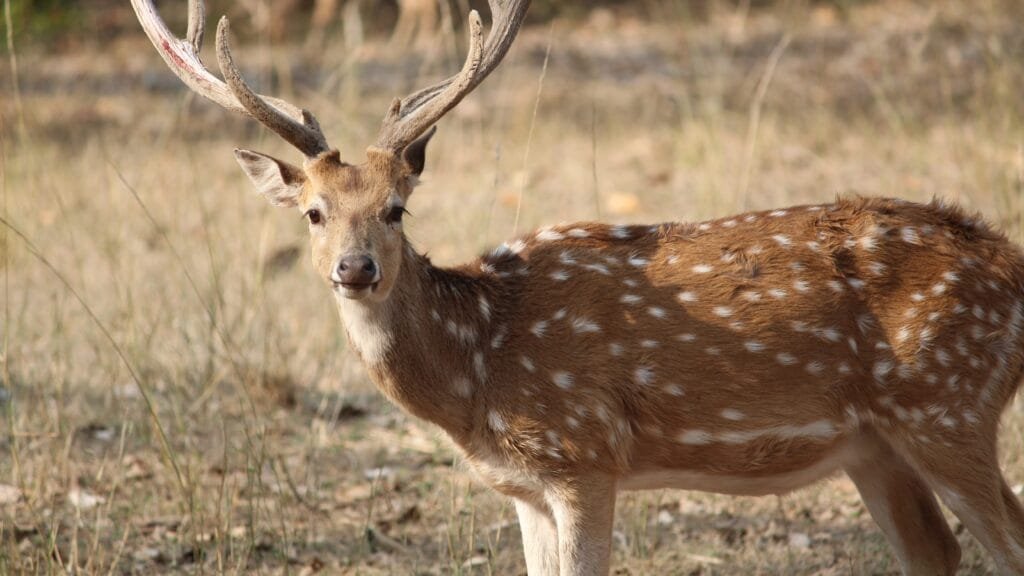
The reserve also supports leopards, tigers, spotted deer, sambar, barking deer, langurs and a wide variety of birdlife.
According to Dainik Jagran, Motichur is recognised for its elephant habitat and has also been part of tiger conservation efforts involving animals relocated from the Corbett landscape.
Wildlife sightings depend on animal movement, weather, habitat conditions and the timing of a safari.
Visitors should therefore approach a jungle safari as an opportunity to experience a natural ecosystem rather than expect guaranteed sightings of elephants, tigers or leopards.
Following guide instructions and maintaining a respectful distance from wildlife are essential for a safe experience.
Rajaji Safari Booking, Timings and Entry Rules
Travellers planning a Rajaji safari should verify current permits and operating arrangements before reaching the entry gate.
Although the tourism season has reopened, exact safari session times, permit charges, vehicle availability and booking procedures have not been independently confirmed for every zone.
The National Tiger Conservation Authority lists Rajaji among India’s notified tiger reserves and provides a reference link to reserve information.
Visitors should use forest-department-confirmed booking channels and avoid assuming that commercial safari websites are official government portals.
Before paying for a safari, confirm the entry gate, date, reporting time, vehicle arrangement, guide requirements and cancellation conditions.
Travellers should also carry valid identification and follow instructions issued by forest staff.
Why November Is Important for Rajaji Wildlife Tourism
The reopening of Rajaji’s safari zones marks the transition from the monsoon closure to the main wildlife tourism season.
After the rains, forest routes gradually become suitable for authorised visitor movement, while cooler weather can make outdoor excursions more comfortable.
Rajaji is also accessible from major Uttarakhand travel centres, making it a practical addition to itineraries around Haridwar, Rishikesh and Dehradun.
However, accessibility varies between safari gates, and travellers should plan their route according to the specific zone they intend to visit.
The winter months can be especially attractive to birdwatchers, although sightings depend on seasonal conditions and local habitat.
Rajaji’s New Safari Season Offers Fresh Wildlife Experiences
With four major gates reopening on 15 November, Rajaji Tiger Reserve has begun another season of wildlife tourism.
The reported 70 safari vehicles on opening day indicate an encouraging start, while the reserve’s elephants, forests and biodiversity remain its central attractions.
For visitors, the best approach is to confirm safari arrangements in advance, follow forest regulations and enjoy Rajaji as a protected natural habitat rather than a guaranteed wildlife-sighting destination.