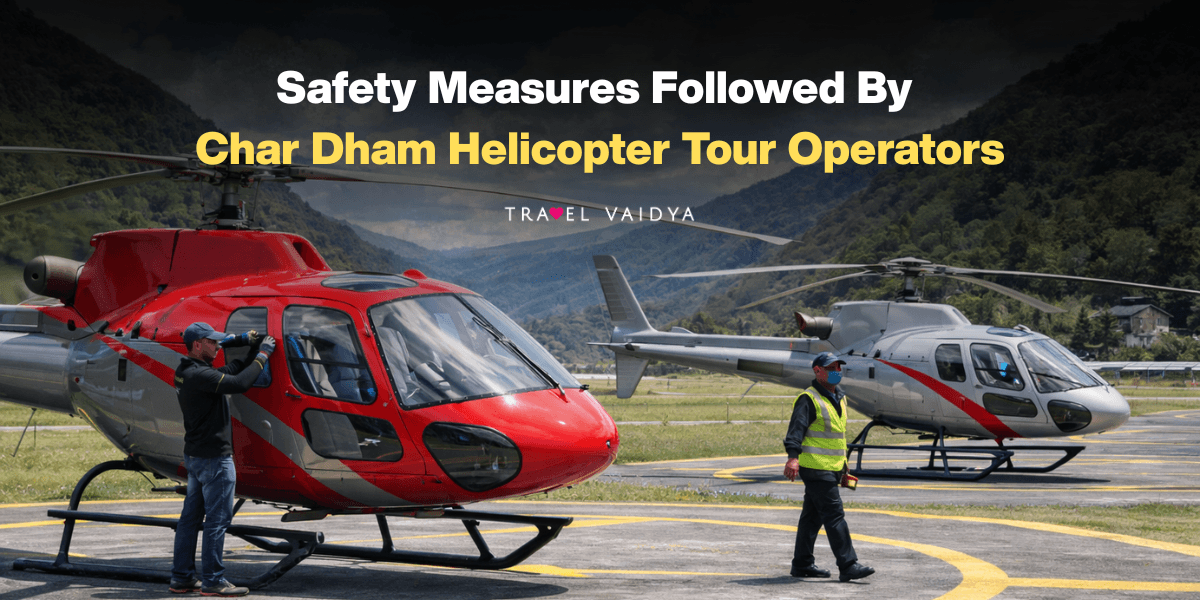
Char Dham helicopter flying is not like normal city-to-city aviation. It’s high-altitude, narrow-valley flying where weather can change fast and traffic can get dense. That’s exactly why operators follow a layered “gate-by-gate” clearance process before any flight takes off. Below are the most important checkpoints that typically happen before and during shuttle operations, explained in simple, practical terms.
Char Dham helicopter operations follow a strict, multi-layered safety system designed for high-altitude mountain flying. Before any flight, operators clear regulatory checks, slot permissions, aircraft serviceability, pilot fitness, weather assessment, and ground readiness. Flying is allowed only in clear daylight conditions, with continuous weather monitoring and shared radio coordination inside the valley. Weight limits, defined flight paths, trained ground teams, and emergency preparedness add further safeguards. Most importantly, pilots have full authority to delay, return, or cancel flights the moment safety margins reduce. These checkpoints ensure that Char Dham helicopter travel prioritizes judgment, discipline, and caution over speed or schedules.
Table of Contents
1) Regulatory Clearance and Seasonal Readiness Approval
Before the season opens, operators don’t simply “show up and fly.” Helicopters, helipads, documents, processes, and ground arrangements are checked through regulatory inspection and oversight. Operators are expected to rectify observations and submit compliance actions before being allowed to participate. This step ensures the season starts only after a baseline of safety readiness is confirmed.
- Operator readiness is checked before the yatra flying window begins
- Facilities, procedures, and compliance gaps are identified and rectified
- Approvals are linked to meeting the required standards for operations
2) Slot-Based Flight Authorization by UCADA
In Char Dham shuttle operations, take-off is not “whenever ready.” Operators are allotted time blocks for flying. This slot system controls congestion in a narrow valley where multiple helicopters operate. A flight is expected to happen within the permitted slot, and the entire day’s rhythm is planned around these blocks to reduce airspace conflict and rush decisions.
- Flights are planned around allotted time blocks
- Slots help control crowding and traffic in confined airspace
- Discipline on timing reduces pressure and last-minute departures
3) Restriction to Day Visual Flight Rules (VFR) Operations
These shuttle flights are meant to be conducted only in Day VFR conditions—meaning the pilot must be able to fly with visual reference, not by “guessing through cloud.” The intent is simple: if visibility, cloud base, or valley conditions are not safe for a clear visual route, flying is not permitted, even if passengers are waiting.
- Daylight-only operations
- Visual flying conditions must be available throughout the route
- If visibility drops, the safe decision is to hold or cancel
4) Mandatory Pre-Flight Meteorological Briefing
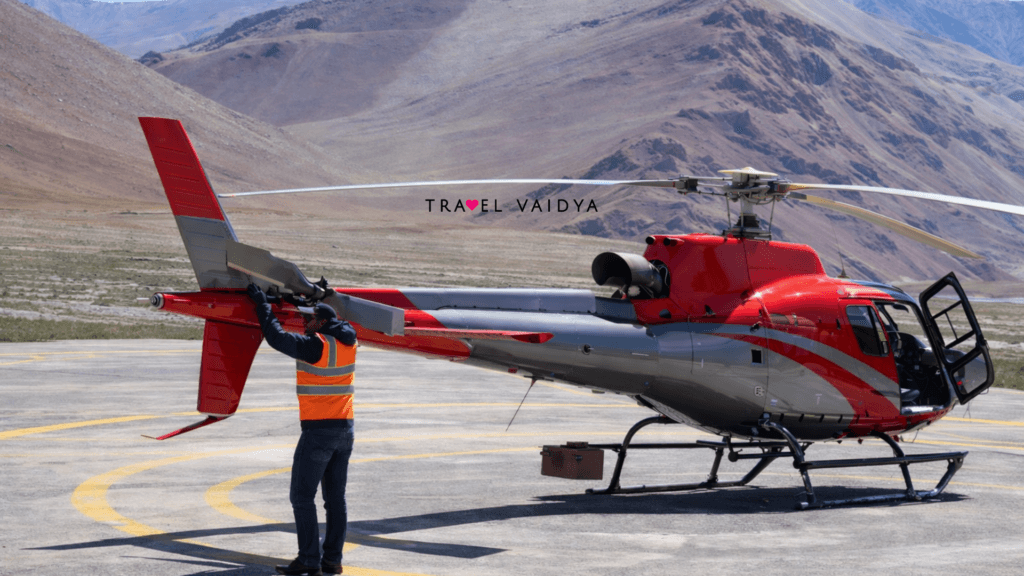
Mountain flying starts with weather. Operators and pilots obtain official weather inputs from IMD-linked sources and nearby stations, but they also look at current weather patterns and satellite cues because the valley can behave differently from nearby cities. The key is not just “what the weather is now,” but what it is becoming in the next 15–30 minutes.
- Official weather inputs are taken before flight blocks
- Satellite and real-time trend awareness matters in mountains
- Decisions must factor rapid cloud build-up and wind shifts
5) Real-Time Valley Weather Assessment Prior to Departure
Because there is no full aviation MET setup at many valley helipads, actual conditions are often confirmed through real-time observation from the helipad area and pilot reports. This is critical: a forecast can look acceptable, but the valley can suddenly get clouded, windy, or closed. So operators depend on continuous updates before approving a departure.
- Visual assessment of cloud base, ridgelines, and valley openings
- Real-time inputs from helipad area and operating pilots
- If ridges start getting covered, it’s a warning sign to pause
6) Continuous In-Flight Weather Surveillance Protocol
In Char Dham sectors, weather monitoring doesn’t stop after take-off. Pilots are expected to keep continuous watch on weather, especially during transition periods when clouds descend quickly. The aim is to avoid being “trapped” deeper in the valley with worsening visibility. If the weather starts turning, the safe move is to return, hold, or wait.
- Weather watch is continuous during the short flight
- Transition periods (clouds descending) are treated cautiously
- When in doubt, return early and wait at the helipad
7) Valley-Wide Weather Call-Off Binding Procedure
A crucial safety control in joint operations is this: if the first pilot who encounters unsafe weather calls off flying on radio, other helicopters airborne are expected to acknowledge and follow that decision. The idea is to create a shared safety trigger, so one pilot’s early warning prevents others from entering deteriorating conditions.
- First pilot reporting unsafe weather triggers a valley-wide safety response
- Other pilots must acknowledge and treat it seriously
- Prevents “one-by-one” helicopters entering a closing valley
8) Compulsory Flight Plan Filing and Operational Clearance
Even short shuttle flying requires proper planning and clearance. Pilots and operators must ensure flight plans are filed and required clearances are obtained before the flight. This is not paperwork for the sake of it—it ensures the flight is accounted for, monitored in the system, and conducted under defined procedures rather than ad-hoc movement.
- Flight plan filing is part of controlled operations
- Clearances are taken before departure
- Ensures flight is tracked, structured, and procedurally compliant
9) Standardized VHF Communication and Position Reporting
In valleys without a standard ATC environment, pilots coordinate using common VHF frequencies and standard position calls. This includes announcing take-off, approach, departure, and key route points. It reduces the chance of unexpected opposing traffic. It also helps share weather cues quickly. Communication discipline is a major safety tool in dense shuttle traffic.
- Common VHF frequencies are used by all operators in the sector
- Pilots make position and intent calls at defined points
- Shared radio awareness helps manage traffic and weather alerts
10) Pilot Qualification, Hill Flying Certification, and Currency Compliance
Not every helicopter pilot is cleared for hill shuttle flying. DGCA requirements include ground training, supervised flying, release checks, and recent-currency rules. If a pilot hasn’t flown hill sectors recently, re-training and checks are required before independent operations. This matters because mountain flying demands different judgement, route handling, and risk awareness than plains flying.
- Hill-flying requires specific training and release checks
- Currency matters: long gaps require refresher training and check sorties
- Ensures pilots are sharp on hill-specific decision making
11) Aircraft Airworthiness and Maintenance Status Verification
Before any helicopter is allowed to operate, it must be technically serviceable and maintained under an approved program. Valid airworthiness documentation and maintenance schedules are part of the baseline. Operators also follow pre-flight inspections and defect reporting processes. If anything is not within limits, the aircraft is grounded until resolved—no exceptions.
- Valid airworthiness and maintenance program compliance
- Pre-flight inspections and technical sign-offs before flying
- Any snag/defect can trigger grounding until rectified
12) Passenger Load, Weight, and Balance Compliance Checks
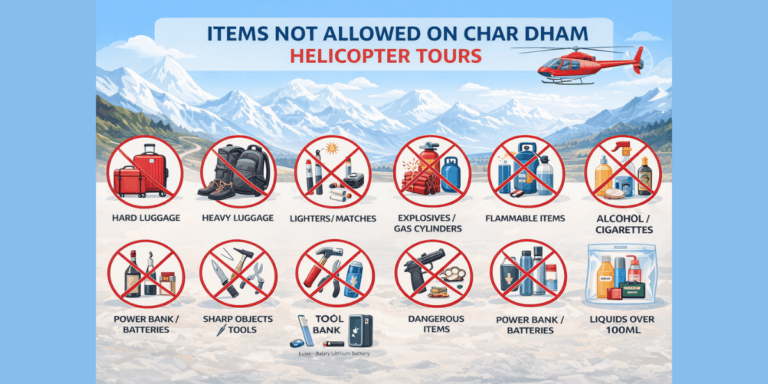
High-altitude performance is sensitive to weight. That’s why passenger count, baggage, and weight-balance limits are tightly managed. Operators typically enforce strict baggage limits and may re-sequence passengers to remain within safe all-up weight and balance margins. This is not about comfort—it’s about performance, climb capability, and safety margins in thin air.
- Passenger and baggage weight must stay within safe limits
- Balance is managed to keep aircraft performance within margins
- Baggage discipline is stricter due to high-altitude conditions
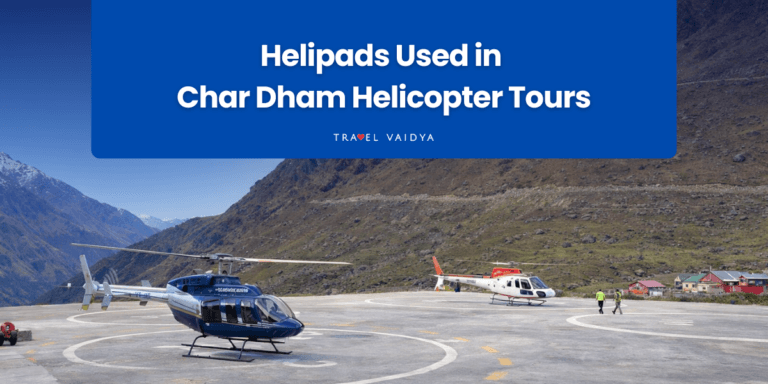
13) Helipad Ground Operations and Safety Supervision Protocol
A helicopter is not cleared to fly safely if the helipad is unmanaged. Operators position ground teams at helipads, including a nominated shift in-charge, to manage safe boarding, de-boarding, crowd control near rotors, and helipad clearance. These teams also coordinate timing and provide operational support. Good ground discipline prevents avoidable hazards.
- Ground team manages boarding, de-boarding, and helipad clearance
- Shift in-charge ensures controlled operations on the pad
- Crowd and rotor-area discipline is a key safety layer
14) Firefighting Preparedness and Minimum Safety Infrastructure
Helipads used regularly for passenger operations require minimum safety arrangements. Firefighting readiness, basic response equipment, and practical preparedness are part of safe operations. In valley operations, the responsibility for ensuring minimum facilities is strongly tied to the operator’s safety duty. Flights should not commence unless essential safety arrangements are available and adequate.
- Minimum safety facilities must be available for operations
- Firefighting readiness is a required operational checkpoint
- Flights should not start if essential facilities are inadequate
15) Standardized Approach and Departure Routing in Valley Airspace
Helicopters follow defined approach and departure directions along the valley. This reduces conflict and helps keep traffic flowing in an organized pattern. In narrow terrain, “random routing” increases risk. Defined patterns also help pilots predict where other aircraft should be, which is critical when multiple operators are running shuttles within short time windows.
- Defined routes and patterns reduce opposing traffic risk
- Predictability improves separation in confined terrain
- Helps manage traffic density during peak shuttle periods
16) Pilot-in-Command Authority for Operational Suspension or Cancellation
A final safety gate is the most important one: the pilot’s authority to say “not safe” and stop. Weather, visibility, traffic, or any operational doubt is enough reason to hold. In mountain flying, conservative decisions are normal and expected. The system is designed so that delaying or cancelling is a safety action, not a failure.
- Pilot can hold, return, or cancel based on safety judgement
- “When in doubt, don’t go” is the correct mountain rule
- Conservative decisions protect passengers and crew
At Travel Vaidya, our role is to quietly coordinate the details that matter on the ground. We stay in regular touch with helicopter operators, helipad teams, and local staff to track real-time weather, slot movements, and operational updates. For senior citizens especially, this means fewer surprises—clear updates, timely guidance, and practical adjustments when plans need to slow down or pause. Our focus is simple: help guests understand what’s happening, manage logistics calmly, and ensure the journey stays comfortable, informed, and stress-free rather than rushed.
Safety Measures Followed By Char Dham Helicopter Tour Operators – What passengers should know
These checkpoints work best when passengers cooperate. Your role is simple: follow baggage rules, listen to crew, and accept weather holds calmly. The safest Char Dham helicopter flights are the ones that fly only when the valley is clearly open and stable.
- Keep baggage light and within limits—don’t argue at the helipad
- Expect delays in the mountains; it’s normal and safety-driven
- Follow boarding instructions exactly; don’t rush near the helicopter
- If flights are held due to weather, it’s a safety decision, not a service issue