
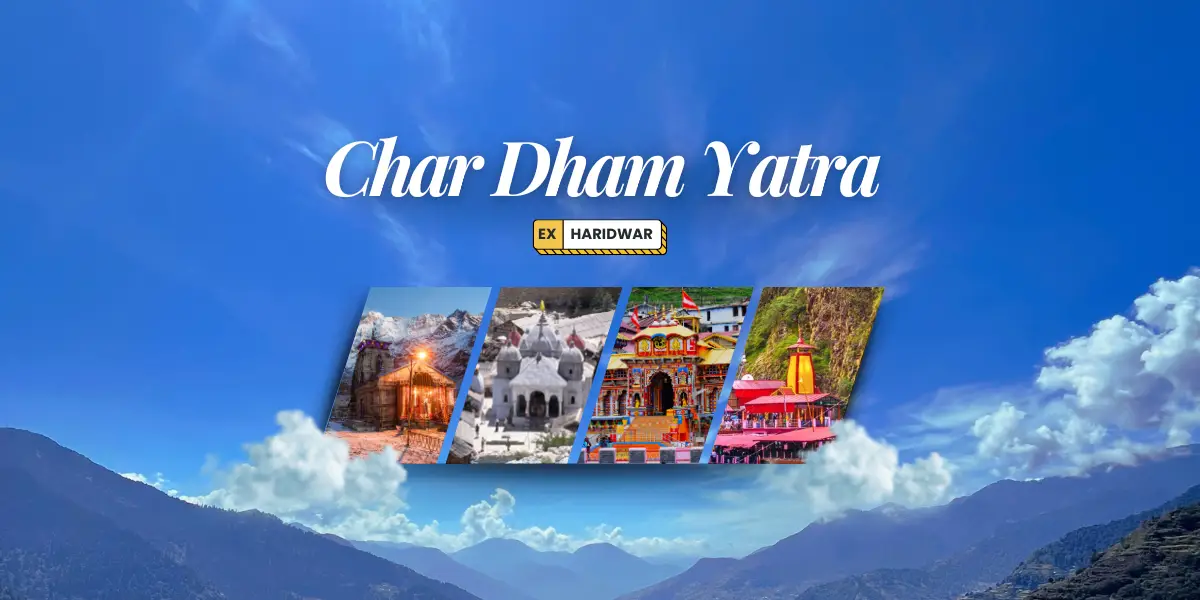
Char Dham Yatra Package from Haridwar 2026

Char Dham Yatra package from Haridwar is a 10-day private tour covering Yamunotri, Gangotri, Kedarnath & Badrinath offered by Travel Vaidya starting from ₹85,000 – ₹1,20,000 Per Couple. This tour includes private taxi, hotel stays with breakfast & dinner and experienced drivers familiar with Himalayan roads.
Read MoreLess
This is one of the most convenient and cost-effective starting point, especially for pilgrims arriving by train to Haridwar or Rishikesh Railway Station. This private Char Dham yatra package from Haridwar is ideal for senior citizens, families, and small groups looking for a safer, senior-friendly, and pre-booked travel experience.
Why Book a Char Dham Yatra Package from Haridwar?
Starting your Char Dham yatra from Haridwar saves you 2 days of additional time and gives you a head start from the gateway of the Char Dhams itself. These packages include a private taxi, hotel stay with breakfast & dinner and local travel coordination to avoid last-minute hassles. Travelers often start their Char Dham Yatra from Haridwar since railway connectivity from New Delhi, Ahmedabad, Mumbai and Kolkata is very frequent, also with Volvo AC seater/sleeper buses taking around 4-5 hours (220 Kms) to reach Haridwar from New Delhi. Private taxi is also a good option if you are arriving at New Delhi airport/railway station as it takes INR 4000-5000 (AC Sedan) to get transferred to Haridwar.
• Saves 2 extra days of travel time
• Packages include private taxi, hotels, meals
• Good train connectivity from major cities
• Volvo buses: Delhi to Haridwar in 4–5 hrs
• Taxi from Delhi to Haridwar ₹4000–₹5000 (AC Sedan)
Route Covered in Char Dham Yatra from Haridwar
Our Chardham yatra packages from Haridwar covers all four temples within 10 days of time. The route map starts from Haridwar and moves through Barkot, Uttarkashi, Guptkashi, Kedarnath, Badrinath, and ends back at Haridwar. Yamunotri and Kedarnath temple are accessible via a trek of 6 Km (one way) for Yamunotri and 16 Km (one way) for Kedarnath, there are helicopter options also available for Kedarnath which has to be pre-booked from https://www.heliyatra.irctc.co.in/
• Haridwar → Barkot → Yamunotri
• Uttarkashi → Gangotri → Guptkashi → Kedarnath
• Badrinath → Rudraprayag → Haridwar
Types of Char Dham Yatra Packages from Haridwar
At Travel Vaidya, we offer 3 types of Char Dham Yatra packages from Haridwar based on hotel type and vehicle. All plans include private taxi, hotel stay, daily breakfast and dinner, and full local support during the trip.
Budget Package (₹30,000–₹40,000 per person): This is best for travelers okay with basic hotels and simple meals. Travel is by sedan like Swift Dzire.
Deluxe Package (₹40,000–₹50,000): A more comfortable option with 2–3 star hotels and SUV like Ertiga or Innova. Families and senior citizens usually prefer this.
Premium Package (₹50,000–₹60,000): For those who want the best hotels and more comfort. Travel is by Innova Crysta, and stays are at scenic, nicer properties.
Char Dham Yatra by Taxi from Haridwar
Travel Vaidya offers private taxi for Char Dham Yatra packages like Swift Dzire, Ertiga, or Tempo Traveller for Char Dham Yatra from Haridwar that move along with your pace. Travelers can make pit stops as per their own comfort, these taxi fare includes fuel, tolls, parking, and driver allowance. Char Dham yatra package by taxi from Haridwar is perfect for senior citizens, families, and small groups looking for a smooth and comfortable yatra.
• Swift Dzire: ₹35,000–₹45,000 (ideal for 2–3 people)
• Ertiga/Innova: ₹55,000–₹70,000 (for 4–7 people)
• Tempo Traveller: ₹90,000–₹1.2 lakh (for 8–12 people)
Char Dham Yatra by Helicopter from Haridwar (via Dehradun)
Guests arriving at Haridwar can also opt for Char Dham Yatra by helicopter tour starting from Dehradun. It is a 6-day Char Dham yatra by helicopter tour which includes premium hotels, all meals, ground transfers, and VIP assistance.
• ₹2.3–₹2.5 lakh per person for 5N/6D
• Covers Yamunotri, Gangotri, Kedarnath, Badrinath
• Includes hotels, meals, permits, transfers
• Haridwar-Dehradun taxi extra (40 km from Haridwar)
Best Time to Visit Char Dham from Haridwar
The best time for Char Dham Yatra from Haridwar is from May to June and September to October. These months are favourable since all temples open during April/May month (on Akshaya Tritiya) and the road remains open also the weather is very stable. Daytime temperatures usually range between 12°C to 25°C, while nights can drop to 4°C–10°C, especially in Kedarnath and Badrinath. You shall expect sunrise around 5:15 AM to 6:00 AM and sunset between 6:00 PM to 6:45 PM, depending on the month. You should skip travelling in monsoon season as landslides/road blocks causes delay.
• May–June: Peak travel season, weather is bright and sunny
• July–August: Monsoon, risk of delays and roadblocks
• September–October: Post-monsoon, cool weather
Places to Visit During Char Dham Tour from Haridwar
Apart from the four sacred shrines, this Char Dham Yatra package from Haridwar offers several spiritual and scenic stopovers. These places add depth to the journey and are worth exploring:
Lakhamandal Temple – An ancient Shiva temple linked to the Mahabharata, known for its historical and mythological significance.
Prakateshwar Caves – Natural limestone caves dedicated to Lord Shiva, with beautiful formations resembling the Amarnath caves.
Harsil – A serene valley on the way to Gangotri, famous for apple orchards, riverside views, and quiet Himalayan surroundings.
Triyuginarayan Temple – The legendary site where Lord Shiva and Goddess Parvati were married, with a sacred eternal flame still burning.
Chopta – Popularly called the “Mini Switzerland of Uttarakhand,” offering lush meadows and the base for the Tungnath trek.
Mana Village – India’s last village near the Indo-Tibet border, known for Vyas Gufa, Ganesh Gufa, and Saraswati River.
Panch Prayag – The five river confluences (Devprayag, Rudraprayag, Karnaprayag, Nandprayag, Vishnuprayag) that hold immense religious value.
Dhari Devi Temple – A revered shrine dedicated to Goddess Kali, believed to be the protector of Uttarakhand’s Char Dham route.
Rishikesh – A spiritual town on the banks of the Ganga, famous for yoga, ashrams, and the evening Ganga Aarti at Triveni Ghat.
Haridwar – The starting point of the yatra, known for Har Ki Pauri Ganga Aarti and ancient temples.
Brief Itinerary for Char Dham Packages from Haridwar
Day 1: Haridwar to Barkot
Day 2: Trek to Yamunotri and return to Barkot
Day 3: Drive to Uttarkashi
Day 4: Visit Gangotri, return to Uttarkashi
Day 5: Uttarkashi to Guptkashi
Day 6: Kedarnath trek or heli, stay near temple
Day 7: Return to Guptkashi
Day 8: Drive to Badrinath
Day 9: Badrinath darshan, then to Rudraprayag
Day 10: Return to Haridwar, end of tour
What’s Included in Chardham Yatra Packages from Haridwar
Chardham yatra packages from Haridwar includes private taxi for the whole tour along with hotel stays at scenic locations, daily breakfast & dinner, experienced drivers and 24/7 on-ground support. These packages are perfect for small families, senior-citizens and families travelling with kids. This chardham yatra package from Haridwar can be customized as per guest preference.
• Private taxi with experienced driver
• 09 nights stay with breakfast and dinner
• Toll, parking, driver allowance, fuel
• Route guidance and travel coordination
Emergency Contacts & Yatra Registration
Every pilgrim must complete Char Dham biometric registration before starting the Yatra. Without registration, entry is not permitted beyond Rishikesh/Haridwar checkpoints.
Yatra Registration
Modes: Online (Char Dham Yatra official website) or Offline (registration counters at Haridwar, Rishikesh, Sonprayag, Joshimath, and other base points).
Requirement: Valid photo ID (Aadhaar, Passport, Voter ID, Driving License).
Why Mandatory: Ensures safety monitoring, disaster management, and tracking of pilgrims by government authorities.
Key Emergency Contacts
Yatra Control Room / Disaster Helpline: 1070, 1077
Police Helpline: 100
Ambulance / Medical Emergency: 108
GMVN (Garhwal Mandal Vikas Nigam) Enquiry: +91-135-2746817
Char Dham Route Helpline: Available at all major check posts during the yatra season
Uttarakhand Disaster Management (24×7): 1070
Medical Facilities on Route
Base Camps with First Aid: Haridwar, Rishikesh, Barkot, Uttarkashi, Guptkashi, Joshimath
En-route Medical Posts: Janki Chatti (Yamunotri route), Harsil (Gangotri route), Sonprayag (Kedarnath route), Govindghat (Badrinath route)
Temple Areas: Emergency medical camps and government doctors available near each shrine during yatra months.
Note: Senior citizens and those with heart, asthma, or blood pressure issues should undergo a fitness check-up before planning the Char Dham Yatra. Pony, palanquin, or helicopter options are advisable for Kedarnath & Yamunotri treks.
Travel Tips for Char Dham Yatra
Char Dham Yatra takes you through long drives, high-altitude treks, and temple towns with very limited facilities. Planning well in advance and keeping a few essentials in mind makes the journey smoother, especially for families and senior citizens. Here are some important travel tips to note before you start from Haridwar:
Start early in the day – Night driving is not allowed on mountain roads.
Complete biometric registration beforehand to avoid last-minute hassle.
Pack warm clothes even in May–June; weather can drop suddenly near the shrines.
Keep medicines and first-aid ready, especially for altitude or cold-related issues.
Travel light – small bags are easier to manage during temple treks.
Stay hydrated, eat light vegetarian meals available at dhabas and lodges.
Carry enough cash – ATMs are limited and often run out of money.
Mobile connectivity is patchy; Jio and Airtel work better in higher regions.
Pre-book hotels at Barkot, Uttarkashi, Guptkashi, and Joshimath; rooms fill quickly.
Use ponies or palanquins for Yamunotri and Kedarnath if trekking is difficult.
Respect temple timings – morning and evening aarti is the best time for darshan.
Senior citizens should consult a doctor before traveling; helicopter service is an option for Kedarnath.
Follow traffic and safety rules – mountain roads are narrow and prone to landslides.
Carry a raincoat/poncho as sudden showers are common during yatra season.
Keep your government ID and registration slip handy – it’s checked at multiple points.
Packing List for Char Dham Yatra
Weather in Char Dham is unpredictable, it can be warm during the day and freezing at night. Since the temples are located at a high altitude with limited facilities, packing the right things can make a big difference. Keep your luggage light but don’t miss out on essentials. Here’s a practical list for a safe and comfortable yatra.
- Warm Clothing: Even in summer, mornings and evenings are very cold. Carry thermals, a fleece jacket, woolen socks, gloves, and a warm cap. If you’re traveling after September, layer up properly.
- Rain Gear: Weather can change quickly, especially in the afternoon. A poncho or raincoat is a must. A small foldable umbrella is optional but useful.
- Trekking Shoes: Choose waterproof shoes with strong grip. The trek path can be slippery, especially after rain. Avoid open footwear or basic sneakers.
- Medicines & First-Aid Kit: Carry your regular medicines along with tablets for cold, headache, nausea, and altitude sickness. Add a few bandages, balm, and ORS sachets.
- Reusable Water Bottle & Snacks: Stay hydrated and energized. Pack a refillable bottle, dry fruits, energy bars, and glucose powder for the trek.
- Torch & Power Bank: Power supply is limited at high altitude. A small flashlight or headlamp is useful at night. Carry a charged power bank for your phone.
- Yatra Registration & ID Proof: These are checked multiple times during your journey. Keep both documents easily accessible and safe from rain.
- Basic Toiletries: Bring your own soap, toothbrush, toothpaste, toilet paper, tissues, and hand sanitizer. These are often not available on the trek or near the temple.
About Travel Vaidya – Trusted Char Dham Yatra Experts
Travel Vaidya is a dedicated travel company in Dehradun, Uttarakhand with over 9 years of experience organizing Char Dham Yatras. Based in the region, our team offers on-ground expertise, good hotels, experienced drivers, and real-time yatra support. We’ve helped over 1,000 yatris annually with reliable, senior-friendly tour plans.
• 9+ years of experience in Uttarakhand pilgrimage tours
• Thoughtfully created travel plans
• Professional and experienced taxi drivers
• Handpicked selection of hotels for best experience
• Flexible booking and cancellation policy
• 24/7 on-ground support during yatra for route/weather issues
On This Page
MEET YOUR LOCAL EXPERTS
- Operating Since 2015
- Experienced Hill Drivers
- New, Clean Vehicles
- Senior-Friendly Travel
- Local Experts from Dehradun
- Ground-Level Support
- Clear, Honest Pricing
- Dedicated Expert on Tour
Char Dham Tour Highlights
Price Range
₹85,000 – ₹1,30,000 Per couple
Duration
09N / 10D Comfort paced plan
Private Car
With Expert Drivers Hill-route experience
Daily Meals
Breakfast + Dinner Simple veg meals
Hotel Options
Budget / Deluxe / Premium With fresh meals
Places Covered
Yamunotri • Gangotri Kedarnath • Badrinath
Char Dham Yatra Package Cost
from Haridwar
Travel Vaidya offers all-inclusive Char Dham Yatra packages from Haridwar priced at ₹85,000 – ₹1,20,000 Per Couple, which includes private taxi, skilled drivers, comfortable hotel stays with breakfast & dinner along with local expertise and darshan assistance.
Read MoreLess
3 Types of Char Dham Yatra Packages from Haridwar
Budget Package – Price starts from ₹85,000 Per Couple
This Budget Char Dham package includes clean, basic hotels, simple rooms, and essential amenities suitable for pilgrims who want a low-cost but comfortable stay. Travel Vaidya, a 10-year old Dehradun-based tour operator, provides a private taxi, experienced local driver and breakfast & dinner at all stops. Ideal for those who prefer a value-for-money yatra without any luxury expectations.
Deluxe Package – Price starts from ₹1,00,000 per couple
This Deluxe Char Dham Yatra package offers mid-range hotels with larger rooms, better food quality, and improved comfort, suitable for families and senior citizens. Many stays include pleasant surroundings or partial hill/river views. Travel Vaidya’s 10-year local experience ensures smoother logistics, reliable vehicles and on-ground support throughout the journey. A balanced choice for those who want comfort at a reasonable cost.
Premium Package – Price starts from ₹1,20,000 per couple
The Premium Char Dham package includes top-category hotels with upgraded rooms, professional hospitality, and prime locations wherever available on the route. This category focuses on maximum comfort without making any unrealistic luxury claims, as Char Dham is a remote Himalayan circuit. Managed by Travel Vaidya, a 10-year old trusted operator in Dehradun, this package is best suited for guests who prefer better room standards, superior meals and priority assistance during the entire trip.
Calculate Your Char Dham Yatra Package Cost From Haridwar
Calculate exact Chardham tour cost for your family
By submitting this you agree to be contacted by Travel Vaidya via phone & WhatsApp
What this tour Includes? ›
- Private taxi for the whole tour
- Experienced local drivers
- Verified hotels with daily meals
- Fuel, parking, tolls and driver charges
- On-tour support; Darshan help for seniors (on request)
What this tour Excludes? ›
- Air fare / train fare
- Meals not mentioned (rest of the meals)
- Pony/Palki/Helicopter tickets (if you choose)
- Travel/Personal/Health insurance
- Any item not specified in Package Inclusions
- 5% GST
Travel Vaidya, a top-rated Char Dham tour operator in Dehradun, offering reliable services at best prices for the last 10 years.

Hotel Stays During Haridwar to Char Dham Yatra
Finding the right hotels in Char Dham Yatra is not as simple as booking a normal hill-station stay. The entire route runs through high-altitude roads where hotel quality depends on terrain, weather, and the short seasonal window. This is why Travel Vaidya only uses verified, senior-friendly properties that consistently deliver clean rooms, hot water support, and fresh vegetarian meals.
Read MoreLess
Every stay is selected from our 10+ years of handling Char Dham groups, so your night halts remain safe and predictable. If you want a detailed breakdown of stays across the route, you can also read our full guide here: Hotel Stays During Char Dham Yatra Tour.
Explore Hotels Options In Char Dham Route
Barkot and Uttarkashi offer comfortable hotels with homely food for Yamunotri and Gangotri travellers. These regions support early departures, which is important for trek timings.
Harsil has limited but premium stays and is one of the most peaceful spots of the entire Yatra.
Guptkashi and Sersi provide practical stay options for Kedarnath — from simple budget rooms to premium hotels located close to the Sersi helipad.
At Kedarnath, only GMVN tents and private Dharamshala rooms are allowed, and we arrange the safest available rooms for night stays.
Joshimath and Badrinath offer clean deluxe and premium hotels with early breakfast and easy access to the temple.
These stays aren’t luxury-oriented, but they work well for seniors, families, and first-time pilgrims who need comfort and reliability more than anything else. With the right hotel plan, the Char Dham journey becomes smoother, less tiring, and far easier to manage day by day.
Barkot – Hotel Rautela (2 Nights)
Uttarkashi – Hotel Inder palace (2 Nights)
Guptkashi – Hotel Om Anandam (2 Nights)
Kedarnath – Private Dharamshala (1 Night)
Joshimath – Hotel Inder palace (2 Nights)
Kedarnath stays are basic due to altitude. We book private rooms in Dharamshalas (no GMVN shared tents).
Barkot – Camp Nirvana (2 Nights)
Uttarkashi – Yaantra Retreat (2 Nights)
Guptkashi – New Mandakini Resort (2 Nights)
Kedarnath – Private Dharamshala (1 Night)
Joshimath – Hotel Auli D (2 Nights)
Kedarnath stays are basic due to altitude. We book private rooms in Dharamshalas (no GMVN shared tents).
Barkot – Yaantra Resort (2 Nights)
Uttarkashi – Shiv Parivar Resort (2 Nights)
Guptkashi – The Village Retreat (2 Nights)
Kedarnath – Private Dharamshala (1 Night)
Joshimath – The Tattva Resort (2 Nights)
Kedarnath stays are basic due to altitude. We book private rooms in Dharamshalas (no GMVN shared tents).
How to Book This Tour?
6 simple steps to book your Char Dham Yatra
Select between Budget, Deluxe, or Premium plans based on your comfort.
Finalize the total number of travelers joining the trip.
Share your Arrival & Departure details for planning.
Receive all travel details instantly via Email or WhatsApp.
Secure your booking by making a small 25% advance payment.
Receive your final voucher 7 days prior to your arrival.
Book with Confidence
Trusted by 2,000+ families for their holy yatra over the last 10 years.
Tripadvisor
Travellers' Choice
2023
Tripadvisor
Travellers' Choice
2024
Tripadvisor
Travellers' Choice
2025
Plan Your Char Dham Yatra 2026 with Local Experts
Experienced Drivers • Verified Hotels • Local Experts
Book with confidence. Trusted by 2100+ families who successfully completed their Yatra with our assistance last year
Travel Vaidya: ★★★★★ Rated 4.8/5 on Google
Taxi Service for Char Dham Yatra
Private taxi for Char Dham Yatra is the most comfortable and flexible option for families, especially if you’re traveling with senior citizens. You get control over timings, stopovers, and pace something fixed group tours can’t offer. Here’s a complete breakdown of rates, vehicle options, and important booking tips based on 2026 updates for those booking Char Dham Yatra packages or standalone cab services.
Read MoreLess
Why Choose a Private Taxi for Char Dham Yatra from Dehradun?
Starting from Dehradun makes things easy—it’s well connected by flight and train. You avoid crowds at Haridwar and can begin the Yatra peacefully. With a private taxi:
• You get picked up directly from airport/station/hotel
• Travel at your own pace
• Take halts when needed for food, rest, or darshan
• Avoid stress of shared cabs or noisy group buses
It’s best suited for senior citizens, families with kids, or small groups who want privacy and convenience. Most Char Dham Yatra packages by taxi now include Dehradun pickup and drop.
Taxi Fare for Char Dham Yatra from Dehradun (2026 Estimate)
Here’s an estimated round-trip fare range for private taxi service:
Swift Dzire: ₹30,000 – ₹40,000 (2–3 people)
Ertiga: ₹45,000 – ₹55,000 (4–5 people)
Innova Crysta: ₹60,000 – ₹70,000 (5–6 people)
Tempo Traveller (12–17 seater): ₹1,35,000 – ₹1,75,000
27-Seater Coach: ₹1,90,000 – ₹2,10,000 (max allowed vehicle size)
Rates include fuel, tolls, and driver charges. Hotel stays and meals are extra. These rates are typically bundled in most private Char Dham tour packages that include hotel + cab.
Which Vehicle to Choose for Your Group?
Pick a vehicle based on comfort, not just cost:
Swift Dzire: Compact and affordable, best for couples or 3 people
Ertiga: Good space for 4–5 passengers with limited luggage
Innova Crysta: Smoother on hills, best for families and older people
Tempo Traveller: Great for groups of 6–12, comfortable and spacious
27-Seater Coach: Only for big groups (allowed till Sonprayag and Joshimath only)
Don’t try to save money by overloading the vehicle—hill drives are long and tiring.
What’s Included in the Fare?
All standard private taxi fares from Dehradun include:
• Fuel charges
• Toll taxes
• Driver allowance
• Vehicle permit for hills
• Basic travel assistance
Extras to confirm before booking:
• Parking charges at temple spots
• Driver’s stay and food (some include, some don’t)
• AC working in hills (usually turned off in steep climbs)
Day-Wise Kilometers (Approx. 10-Day Plan)
1. Dehradun to Barkot: 180 km
2. Yamunotri Darshan and back to Barkot
3. Barkot to Uttarkashi: 100 km
4. Gangotri Darshan and back to Uttarkashi
5. Uttarkashi to Sitapur: 240 km
6. Trek to Kedarnath
7. Return to Sitapur
8. Sitapur to Badrinath: 230 km
9. Badrinath to Rudraprayag: 160 km
10. Return to Dehradun: 280 km
Total: Around 1,100–1,200 km
This route is part of most fixed Char Dham Yatra tour packages from Dehradun.
Booking Tips for Char Dham Taxi 2026
• Book early. Fares increase sharply by mid-May.
• Choose local operators. They know the routes and permits well.
• Don’t overload. Stay within legal passenger limit.
• Pick Uttarakhand-registered vehicles. Smoother pass-through at checkposts.
• Confirm everything in writing. Route, inclusions, price.
Important 2026 Taxi Rules (Government Guidelines)
• Green card (hill permit) is mandatory
• Trip Card must be generated online
• No night travel allowed (10 PM – 4 AM)
• Drivers must wear shoes (no slippers allowed)
• No overloaded vehicles or flammable items
• First-aid kit, extinguisher, wheel blocks mandatory
Why Book with Travel Vaidya?
We offer:
• Clean, well-maintained private vehicles
• Fixed transparent pricing
• Locally experienced drivers
• Customised itineraries
• On-ground team support across Uttarakhand
Whether you’re planning a full Char Dham Yatra package by taxi or just need a vehicle with a reliable driver—Travel Vaidya ensures you travel safe, smooth, and at your own pace.
Medical Facilities Available During Char Dham Yatra
Medical facilities on Char Dham Yatra route have improved significantly over the past few years, especially with the Char Dham Highway development and upgraded emergency services. However, because the temples are located in remote, high-altitude Himalayan regions, medical access is still limited compared to major cities. Every traveller should understand the availability of support and plan wisely, particularly senior citizens, heart patients and those with respiratory issues.
Read MoreLess
Government and private medical centers are available at Haridwar, Rishikesh, Dehradun, Srinagar, Rudraprayag, Joshimath, Guptkashi and Uttarkashi, offering emergency treatment, oxygen support and specialist doctors. At the temple bases like Phata, Guptkashi, Sonprayag, Gaurikund, Yamunotri Jankichatti, Gangotri and Badrinath, medical camps operate during the yatra season, providing basic first-aid and oxygen. Ambulance services with oxygen are also active along the route.
Pilgrims above 50 years are advised to undergo prior physical examination for blood pressure, diabetes, cardiac history and respiratory conditions. Helicopter evacuation is available from Kedarnath and Badrinath in case of emergency, but subject to weather and availability—never to be relied upon as primary medical support.
It is strongly recommended that every pilgrim carry personal medication as prescribed, including basic emergency medicines like Diamox (high-altitude support), paracetamol, ORS, anti-vomiting tablets, pain relievers, bandages, and inhalers. Senior citizens should travel with an oxygen canister or portable concentrator since oxygen levels decrease drastically near Kedarnath and Badrinath, especially in early May and late October.
During peak months (May–June), viral fever, dehydration and altitude sickness are common. In rainy season (July–August), risk of injuries increases due to slippery trails and landslides. Kedarnath trek is physically demanding, so pre-fitness and slow pacing are crucial.
There are no large hospitals near the temples; the nearest major hospitals are located at Rishikesh and Dehradun. In critical emergencies, air ambulance or helicopter rescue is used, but only when weather permits.
Important Key Points
- Medical camps available seasonally at all temple bases.
- Oxygen support located along Kedarnath route and in Badrinath market.
- Helicopter rescue available but weather-dependent.
- Senior citizens must carry personal medicines and avoid overexertion.
- Heart patients and severe asthma patients should consult doctors before travel.
- Stay hydrated, warm, and avoid alcohol/smoking at high altitude.
- Travel insurance covering emergency evacuation is highly recommended.
In summary, medical support is available but basic in remote areas, so personal preparedness is essential. Planning carefully with proper medical checks, medication, oxygen backup, and safe pacing ensures a comfortable and safe pilgrimage experience.
Road Conditions in Char Dham Yatra
Road conditions on the Char Dham route have improved substantially in the last few years due to the Char Dham Highway Development Project, which widened narrow stretches, built new tunnels, installed protective barriers and strengthened landslide-prone zones. Even though the journey takes you through steep Himalayan terrain with sharp bends and changing weather patterns, the overall travel experience is now much smoother and safer compared to the past decade.
Read MoreLess
The journey begins from Haridwar or Dehradun, passing through Rishikesh, and then diverging into different routes toward Yamunotri, Gangotri, Kedarnath, and Badrinath. Most sections of the national highway are now double-lane, well-marked and supported with emergency facilities such as BRO monitoring teams, ambulance access and landslide-clearing machinery stationed at critical points. However, road situations can still vary depending on the month of travel.
Peak summer travel (May–June) is generally the best period for road travel with stable conditions, minimal rainfall, and the least closures. Monsoon months (July–August) bring heavy rain in Uttarakhand and increase the chances of landslides, roadblocks, and delays. BRO teams typically clear roads within a few hours, but travelers should always keep flexible travel timing and updated weather information. Post-monsoon travel (September–October) again offers good road conditions, but nights are colder and fog can reduce visibility.
The route to Yamunotri includes a drive to Jankichatti, which has narrow sections and occasional congestion due to parking limitations. The road to Gangotri through Uttarkashi and Harsil is smooth and scenic, but sharp bends require careful driving. The route to Kedarnath ends at Gaurikund and then a 18 km uphill trek to the temple. The Badrinath highway through Joshimath includes high-altitude mountain roads with deep valley curves, especially near Vishnuprayag and Pandukeshwar, where caution is important.
Professional local drivers experienced in Himalayan driving are always recommended instead of self-driving, particularly for first-timers. Tempo Travelers, Innovas, and sedans like Dzire are commonly used vehicles, but SUVs are preferred for comfort and safety. Night driving is not advised due to low visibility and restricted movement after Rishikesh.
Mobile network is generally available along most major towns on the route, but certain stretches near mountains may lose signal. Fuel stations are available in key towns but sparse in remote areas, so vehicles should always be refueled before long stretches.
Key Takeaways
- Roads significantly improved under Char Dham Highway Project.
- Expect smooth travel in May–June and Sept–Oct.
- Avoid monsoon months if flexibility is limited.
- Landslide-prone zones may cause short delays during heavy rain.
- Experienced drivers are recommended; avoid self-drive if new to hills.
- Night driving is not preferred on mountain highways.
- Keep buffer time and updated weather/traffic info.
- Vehicle breakdown assistance and BRO support available on route.
Overall, road conditions today support a safer, faster, and more organized Char Dham pilgrimage, but mountain travel always demands patience, caution, and flexibility.
Weather Conditions During Char Dham Yatra
Weather conditions during Char Dham Yatra change dramatically with altitude, season and time of day. Travelers must be prepared for sudden temperature drops, intense sunlight, rain, snow and strong winds – all within the same day. Since the temples of Yamunotri, Gangotri, Kedarnath, and Badrinath are situated in high-altitude Himalayan regions, the climate remains cold even in peak summer and weather variability directly affects travel plans, flight operations and road conditions.
Read MoreLess
The Char Dham Yatra opens in late April or early May, depending on the temple kapat opening dates. May–June is the most pleasant time to travel, with daytime temperatures ranging between 10°C to 20°C at Kedarnath and Badrinath and slightly warmer conditions around Yamunotri and Gangotri. Nights remain cold, usually between 0°C to 8°C. Skies are mostly clear, but brief rain or snowfall near Kedarnath can occur.
July–August (Monsoon Season) brings heavy rainfall across Uttarakhand, increasing the risk of roadblocks and landslides. Foggy conditions may reduce visibility, especially early morning and late evening. Kedarnath helicopter services are often delayed or closed due to cloud movement, and trekkers must be cautious due to slippery tracks. Travel cancellations or rescheduling are common, so monsoon travel should only be considered by flexible travelers or those comfortable with uncertainty.
September–October is another excellent period for travel, offering stable weather, cleaner skies, and stunning mountain views. Daylight temperatures remain around 8°C–18°C, but nights can drop below freezing, especially in Kedarnath. Winds become stronger, and high-altitude breathing becomes tougher for some travelers. October often experiences early snowfall, leading to sudden road closures and temple crowding before winter shutdown.
The winter period (November–April) marks the closure of temples due to extreme snowfall and temperatures dropping to –10°C or lower. The shrines shift to their winter abodes (Ukhimath for Kedarnath, Joshimath for Badrinath, Mukhba for Gangotri, and Kharsali for Yamunotri). No travel is allowed to the temple sites, and only limited pilgrimages are possible.
Weather conditions also impact helicopter tours. Flights operate only when visibility is clear and winds are safe. Even on sunny days, flying may stop temporarily due to rapid cloud formation near Kedarnath valley. Travelers must always plan buffer days and remain mentally prepared for delays.
Key Weather Tips
- Expect cold conditions throughout the journey; layer clothing is essential.
- Even in May–June, nights can fall near freezing at Kedarnath and Badrinath.
- Avoid monsoon if you have strict travel timelines.
- September–October offers great views but colder nights and stronger winds.
- Sudden rain or snow may change travel plans—stay flexible.
- Keep a waterproof jacket, thermal wear, warm cap, gloves, and rain cover handy.
- Drink plenty of water; dehydration is common in high altitudes.
- Sunlight is harsh at altitude—use sunscreen and sunglasses.
In summary, Char Dham weather is unpredictable, beautiful, and demanding. With proper clothing, careful planning, and flexible scheduling, travelers can enjoy a safe and comfortable pilgrimage.
What to Pack for Char Dham Yatra
Packing smartly is extremely important for the Char Dham Yatra because the journey takes you through high-altitude regions with unpredictable weather, steep terrain, cold winds, and long road travel. Luggage should be light, practical, and easy to carry, especially for trekkers heading to Kedarnath. Senior citizens, families with kids, and first-time travelers should plan carefully to avoid discomfort.
Read MoreLess
Clothing Essentials
Layering is the key. Temperatures drop suddenly, especially near Kedarnath and Badrinath, so warm clothing is mandatory even in May–June.
- 2–3 pairs of quick-dry track pants/trek pants
- Thermal inner wear (top & bottom)
- Warm jacket / windproof jacket
- Woolen cap, gloves, muffler, warm socks
- Comfortable walking/trekking shoes with grip
- Flip-flops or light slippers for hotel use
- Raincoat / poncho / waterproof windcheater
- Sunglasses, sunscreen, lip balm, and scarf
Avoid heavy denim jeans since they dry slowly and reduce flexibility during steep walks.
Medical & Health Essentials
- Personal prescription medicines (must carry)
- Basic first-aid kit (band-aid, antiseptic cream, pain reliever spray)
- Diamox (for altitude sickness, after doctor consultation)
- Paracetamol, ORS hydration packets, anti-vomit tablets, cold & cough tablets
- Portable oxygen can / small oxygen cylinder (especially for elders)
- Inhalers for asthma patients
- Moisturizer and petroleum jelly for dry skin
Travel & Trek Essentials
- Small backpack/daypack (for trek and daily travel)
- Trekking stick (optional but recommended)
- Torch / headlamp with extra batteries
- Power bank and extra charging cable
- Water bottle / thermos flask (stay hydrated frequently)
- Snacks: dry fruits, energy bars, glucose, chocolates
- Small towel and personal toiletries
- Waterproof bag covers to protect luggage
- ID proof (Aadhaar, passport for NRIs)
- Printed hotel and helicopter booking copies (if applicable)
Documents & Cash
Online payments may not work in remote areas due to weak networks. Always keep:
- Minimum ₹3,000–₹10,000 cash per person
- Extra photocopies of ID proof
- Emergency contact numbers printed separately
Special Items for Senior Citizens
- Knee cap supports and lightweight folding sticks
- Hot water bag (optional)
- Comfortable neck pillow for long drives
- Shoes with ankle support
- Compact seat pads for trekking ponies or palki
Spiritual & Personal Preference Items
- Rudraksha or japa mala
- Small towel for temple hot springs
- Lightweight bag for prasad
Key Packing Tips
- Pack light; avoid oversized suitcases.
- Carry a warm jacket in your hand luggage at all times.
- Keep rain protection always ready — weather changes quickly.
- Don’t rely on shop availability near temple bases.
- Trek bags must not exceed 4–5 kg for comfort.
- Label your luggage with name & contact number.
In summary, a thoughtful packing plan ensures comfort, safety, and peace of mind throughout the pilgrimage. With the right essentials, the Char Dham journey becomes more enjoyable and stress-free, especially for senior citizens and first-time visitors. For more detailed packing guidance based on weather and traveler type, you may find these resources helpful:
What to Pack for Char Dham Yatra in Summer — Lightweight essentials and heat-safety tips for May–June.
What to Pack for Char Dham Yatra in Monsoon — Rain protection, waterproofing gear, and safety instructions for July–August.
Packing Tips for Senior Citizens on Char Dham Yatra — Special support items, health-focused packing list, and comfort recommendations.
Places to Visit During Char Dham Yatra
Char Dham Yatra is not only a sacred pilgrimage to the four main Himalayan shrines — Yamunotri, Gangotri, Kedarnath, and Badrinath — but also an opportunity to explore some of Uttarakhand’s most beautiful towns, temples, river confluences, and cultural destinations. Each stop offers spiritual value, scenic beauty, and historical significance, making the journey an enriching experience beyond temple darshan.
Read MoreLess
Located near Uttarkashi, Yamunotri is dedicated to Goddess Yamuna. The trek begins from Jankichatti and follows a scenic path with waterfalls and dense forests. Must-visit spots include:
- Yamunotri Temple
- Surya Kund Hot Spring
- Divya Shila (ritual offering before entering the temple)
- Jankichatti hot water pools
Dedicated to Goddess Ganga, Gangotri is surrounded by snow-clad Himalayan peaks and the sacred Bhagirathi River. Important places include:
- Gangotri Temple
- Gomukh Trek Start Point
- Bhairon Ghati
- Harsil Valley — apple orchards and peaceful riverside locations
One of the 12 Jyotirlingas of Lord Shiva, Kedarnath stands at 11,755 ft above sea level. Travelers begin from Sonprayag and reach Gaurikund before the trek to the temple. Important places:
- Kedarnath Temple
- Bhairavnath Temple (overlooking the Kedarnath valley)
- Shankaracharya Samadhi
- Vasuki Tal Trek (for experienced trekkers)
Dedicated to Lord Vishnu, the colorful Badrinath temple stands between Nar and Narayan mountain ranges. Must-visit locations:
- Badrinath Temple
- Tapt Kund Hot Springs
- Brahma Kapal
- Mana Village — India’s last village near the Indo-China border
- Vyas Gufa & Ganesh Gufa
- Bheem Pul (natural stone bridge over Saraswati River)
Major Scenic Stops & Confluences on the Route
The journey also includes five Prayags (river confluences) with great spiritual importance:
- Devprayag — Alaknanda meets Bhagirathi to form River Ganga
- Rudraprayag — Alaknanda meets Mandakini
- Karnaprayag — Alaknanda meets Pindar
- Nandprayag — Alaknanda meets Nandakini
- Vishnuprayag — Alaknanda meets Dhauliganga (near Joshimath)
Other popular locations include:
- Tehri Dam Viewpoint
- Chopta (Mini Switzerland) — enroute Kedarnath/Tungnath
- Guptkashi & Triyuginarayan Temple
- Ukhimath (winter home of Kedarnath idol)
Key Takeaways
- Every location has rich mythology, beautiful landscapes, hot springs, and rivers.
- Mana Village, Harsil, and Chopta add scenic value beyond temple visits.
- The five river confluences are a major highlight of the Char Dham route.
- Travelers should include buffer time for sightseeing opportunities.
Overall, the Char Dham pilgrimage combines spirituality, natural beauty, and cultural heritage — making it one of the most meaningful journeys in the Himalayas.
Must Read Before Planning Char Dham Yatra
Why Plan Your Yatra with Travel Vaidya ?
10+ years guiding Uttarakhand yatras, 1000+ families served, Reliable local operator you can count on.
Top-rated by guests on Google & Tripadvisor, Travel Vaidya offers handpicked hotels, comfortable transfers and experienced drivers. Every route is planned considering safety and convenience, making it ideal for families and senior citizens
Get Itinerary & QuoteChar Dham Yatra Registration for 2026
Char Dham Yatra Registration is mandatory for all pilgrims traveling to Yamunotri, Gangotri, Kedarnath, and Badrinath in 2026, whether by road, helicopter, palki, pony, or trekking route. The Government of Uttarakhand introduced compulsory registration to ensure safety, crowd management, and real-time tracking. Without valid registration, entry to temple premises and check posts is not permitted, and travelers may face delays or denial of access.
Read MoreLess
The registration is managed by the Uttarakhand Tourism Development Board (UTDB) and can be completed online or offline. Online registration is the most convenient way, allowing pilgrims to book their preferred dates in advance, upload identity details, and receive digital permits. Offline registration counters are available at major points like Haridwar, Rishikesh, Janki Chatti, Guptkashi, Phata, Sonprayag, Joshimath, Harsil, and Badrinath, but queues are long during peak season.
Registration typically begins 1–2 months before the temple opening dates. For 2026, Char Dham temples are expected to open around late April to early May, depending on Akshay Tritiya and official announcements from temple committees. Pilgrims are advised to register early, especially for Kedarnath, as daily capacity limits apply.
How to Register Online
- Visit the official Uttarakhand Tourism website.
- Enter personal details like name, mobile number, age, and ID type.
- Upload a valid ID proof (Aadhaar, Passport, Driving License, Voter ID).
- Select travel dates and temple sequence (Yamunotri, Gangotri, Kedarnath, Badrinath).
- Generate and download the Yatra Registration QR Code.
- Carry printed or digital QR code throughout travel.
Travelers must verify registration at check posts and temple gates by scanning the QR code. This helps authorities manage crowd flow and emergency assistance.
Kedarnath Biometric Verification
Kedarnath has a mandatory biometric verification procedure for tracking pilgrims during the trek. Verification is available at Haridwar, Rishikesh, Guptkashi, Sonprayag, and Gaurikund. Pilgrims must carry the same ID used during registration. Without verification, entry to the trek route is restricted.
Registration for Helicopter Travelers
Helicopter passengers must complete separate registration in addition to helicopter booking. Boarding is only allowed after QR verification. Registration is checked again at Sersi, Phata, Guptkashi, and Kedarnath helipad points.
Documents Required
- Valid ID proof (Aadhaar/Passport/Voter ID)
- Mobile number for OTP verification
- Emergency contact number
- Latest passport-size photo (optional)
Important Points to Remember
- Registration is mandatory for everyone, including children and senior citizens.
- One registration is required per traveler; group registration is available online.
- Carry printed and digital copies to avoid network issues.
- Without registration, entry at temple checkpoints may be denied.
- Your QR code will be scanned at multiple points for security and tracking.
- Update your travel details if schedule changes to avoid confusion.
Offline Registration Counters
Haridwar • Rishikesh • Dehradun • Jankichatti • Barkot • Uttarkashi • Harsil • Guptkashi • Sonprayag • Phata • Gaurikund • Joshimath • Badrinath
In summary, early online registration ensures a smooth, organized, and secure pilgrimage for Char Dham Yatra 2026. Register in advance, keep your QR code handy, and cooperate with verification checkpoints for a safe journey.
Char Dham Temple Darshan & Aarti Timings
Planning your temple visit around proper darshan and aarti timings is important for a smooth Char Dham Yatra. Every shrine has its own schedule depending on rituals, weather, and crowd flow. Knowing these timings in advance helps avoid long queues and allows you to experience the spiritual energy of early morning and evening aartis, which are often the most peaceful moments at the temples.
Read MoreLess
Yamunotri Temple
Yamunotri temple opens for darshan at around 6:15 AM. Morning aarti takes place around sunrise, and darshan remains open until 2:00 PM. The temple closes briefly and reopens around 3:00 PM for evening darshan until about 9:00 PM. Evening aarti typically happens around 7:30–8:00 PM near the sacred hot spring and Divya Shila.
Gangotri Temple
Gangotri temple opens its gates at around 6:00 AM for morning prayers and darshan. The temple remains open until about 1:00 PM, after which it closes for lunch and rituals. Evening darshan starts again around 4:00 PM and continues until 8:00 PM, followed by closing aarti. Weather often defines the crowd size here, so arriving early is advisable.
Kedarnath Temple
Kedarnath temple opens early before sunrise for special puja and morning darshan. Darshan is allowed from around 6:00 AM to 3:00 PM, after which the temple closes for afternoon rituals and cleaning. It reopens for evening darshan from 5:00 PM to about 7:30 PM. The famous Shayan Aarti takes place in the evening just before the temple closes. Morning abhishek puja begins around 4:00 AM for devotees who book in advance.
Badrinath Temple
Badrinath Temple opens extremely early at around 4:30 AM with the Maha Abhishek ceremony. General darshan continues until around 1:00 PM. After a mid-day break, the temple reopens around 4:00 PM and remains accessible until 8:30–9:00 PM, depending on the crowd. Evening Aarti is a popular experience when the temple glows beautifully with lamps and chants fill the air.
Important Tips for Darshan Planning
- Reach early in the morning to avoid long queues, especially at Kedarnath and Badrinath.
- Evening aartis are highly recommended for a peaceful and deeply spiritual experience.
- Kedarnath and Badrinath have mid-day closures, so plan your arrival outside those hours.
- Weather may cause delays or adjustments, especially during monsoon months.
- Helicopter passengers should plan darshan around flight schedules, as daylight hours are strict.
- On festival days, weekends, and peak May–June season, temple waiting time increases significantly.
- Carry your Yatra registration QR code, ID proof, and reach entry gates at least 30-45 minutes before aarti.
How Tough Is the Journey to Char Dham?
The Char Dham journey is spiritually uplifting but physically demanding due to long road travel, steep terrain, high altitude and unpredictable weather in the higher Himalayan regions. The difficulty varies for each temple and understanding altitude and physical challenges helps travelers prepare wisely, especially senior citizens, children and those with health concerns.
Read MoreLess
Altitude Levels of the Char Dham Temples
- Yamunotri: approx. 10,804 ft (3,293 m)
- Gangotri: approx. 10,200 ft (3,100 m)
- Kedarnath: approx. 11,755 ft (3,583 m)
- Badrinath: approx. 10,827 ft (3,300 m)
As altitude increases, air turns thinner and oxygen levels decrease, which may cause fatigue, shortness of breath, headaches, nausea, or high-altitude sickness. Senior travelers and those with heart, asthma, or BP concerns should prepare extra carefully and consult a doctor before the trip.
Journey Difficulty – Temple-wise Guide
Yamunotri Difficulty Level: Moderate to Tough
The route involves a 5–6 hour trek (approx. 6 km one way) from Jankichatti, steep in many areas, with multiple sharp climbs. The path can get slippery in rainy months. Ponies, palki, and pitthu services are available for support. Good footwear and strong stamina are needed.
Gangotri Difficulty Level: Easy
Gangotri is the most accessible shrine, with the temple located just beside the road. Only short walking is required, and most travelers handle it comfortably. Weather can be cold and windy.
Kedarnath Difficulty Level: Tough
Kedarnath is the most challenging part of the entire pilgrimage. The trek from Gaurikund to the temple is 16–17 km uphill, with continuous elevation gain, steep sections, and low oxygen levels near the top. The journey takes 8–12 hours depending on stamina and resting breaks. Helicopter, pony, palki, and Kandi options are available for those who cannot walk. For trekkers, slow steady pacing and hydration are crucial.
Badrinath Difficulty Level: Easy to Moderate
The temple is accessible by road and requires only minimal walking. The only difficulty is cold temperature and thin air, which can cause mild breathlessness for some people.
Who Should Take Extra Precaution
- Senior citizens above 55 years
- Heart patients, hypertension, diabetes, or asthma patients
- People with severe knee or back pain
- First-time high-altitude travelers
Tips to Handle High-Altitude Difficulty
- Walk slowly and do not rush.
- Stay hydrated with water and ORS.
- Avoid smoking and alcohol.
- Take breaks every 20–30 minutes during Kedarnath trek.
- Carry doctor-recommended medication and portable oxygen.
- Dress in warm layers to control temperature changes.
- Sleep well before trekking days.
- Eat light, easy-to-digest meals.
Helicopter Slot Availability & Priority Rules
Among all four Char Dham temples — Yamunotri, Gangotri, Kedarnath, and Badrinath — only Kedarnath offers direct helicopter services. Helicopter travel is extremely popular because it avoids the challenging 16–17 km uphill trek from Gaurikund, which takes 8–12 hours depending on stamina, weather, and altitude tolerance. The helicopter flight from Sersi, Phata, or Guptkashi to Kedarnath takes just 7–10 minutes, making it a preferred option for senior citizens, families with kids, and travelers with medical or time limitations.
Read MoreLess
However, booking helicopter seats is not easy, especially for May–June peak season, because availability is limited and demand is extremely high. All helicopter bookings for Kedarnath are officially handled through the IRCTC portal, and tickets are released in limited batches. Seats get sold out within minutes once released, which is why many pilgrims struggle to secure a booking. It is strongly recommended to keep multiple devices ready and attempt booking at the exact release time. No third-party booking is allowed beyond the official system.
Slot Availability & Scheduling
Helicopter flying is strictly controlled by weather and aviation regulation. The main flying window is usually 6:30 AM to 11:00 AM, after which wind and cloud movement can affect safety. Slot availability becomes tighter during:
- Opening week of Kedarnath
- Weekends, holidays, and festival dates
- Peak rush in May–June
- Days following weather cancellations (backlog priority)
The time mentioned on the ticket is reporting time, not guaranteed flying time. Passengers should expect 1–3 hours of waiting even on clear flying days.
Priority Rules for Boarding
Passengers are not boarded strictly by time of arrival — priority rules apply for safety and humanitarian reasons.
Top Priority
- Medical emergencies
- Stranded passengers from previous day
- Evacuation cases
High Priority
- Senior citizens (65+)
- Differently-abled passengers
- Women traveling alone & families with infants
- Same-day return passengers
Regular Priority
- Standard bookings
- Group travelers
When flights resume after delays, stranded passengers fly first, which shifts the schedule for others.
Important Practical Notes
- Return slots usually allow 1.5–2 hours for darshan.
- Weather can pause flights anytime — flexibility is essential.
- Hand baggage limit is 2–5 kg only.
- Yatra registration QR code & ID proof are mandatory for boarding.
- Boarding sequence is controlled by helipad staff, not ticket time.
Char Dham by Helicopter – How It Fits In
Char Dham helicopter packages typically start from Dehradun (Sahastradhara Helipad) and cover Yamunotri, Gangotri, Kedarnath, and Badrinath over 3–6 days, including hotels, ground transfers, and guided darshan. However:
- Only Kedarnath has direct helicopter access to the temple
- Other shrines use nearby helipads with short road transfers
- Weather-based flexibility is essential for all helicopter travel
This makes Kedarnath helicopter slots the most time-sensitive and operationally regulated part of the entire helicopter itinerary.
Tips for a Smooth Experience
- Book early, especially for May–June season
- Choose morning slots
- Reach helipad at least 2 hours early
- Travel very light and carry all necessary documents
- Avoid monsoon if your schedule is rigid
Where Should You Start Char Dham Yatra From — Haridwar, Dehradun or Delhi?
Choosing the right starting point for the Char Dham Yatra depends on accessibility, travel convenience, flight/rail connectivity, and whether you are traveling by road or helicopter. The three most common starting points are Haridwar, Dehradun, and Delhi, each suitable for different types of travelers. Understanding the advantages of each location helps you plan better and reduce travel fatigue.
Read MoreLess
Starting from Haridwar
Haridwar is the traditional and most popular starting point for the Char Dham Yatra. It is considered spiritually significant as pilgrims take a holy dip in the Ganga at Har-Ki-Pauri before beginning the journey. Haridwar also offers easy road connectivity and serves as a gateway to Garhwal Himalayas.
Best For
- Traditional road route pilgrims
- Budget and group travelers
- Senior citizens preferring short road distances day-wise
Advantages
- Excellent railway connectivity with major Indian cities
- Easy access to shared transport, private taxis, and buses
- Shorter road distance compared to starting from Delhi
- Smooth flow towards Barkot/Yamunotri route without city traffic
Ideal if you want a balanced pilgrimage pace with lower travel cost and easier logistics.
Starting from Dehradun
Dehradun is the best starting point for Char Dham Yatra by Helicopter, as most private helicopter tours operate from Sahastradhara Helipad. It is also convenient for premium travelers who want to reduce road fatigue or combine road + heli options. Dehradun Airport (Jolly Grant) has strong flight connectivity from major Indian cities.
Best For
- Helicopter tours
- Premium road travelers and NRIs
- Families with senior citizens or small kids
- People with limited leave days
Advantages
- Closest airport to the Char Dham region
- Faster onward movement—cuts 1 full travel day vs starting from Delhi
- Better stay options and modern city amenities
- Ideal base for pre-tour medical checkups and last-minute essentials
Ideal if you want the most comfortable and time-efficient route.
Starting from Delhi
Delhi is best for travelers arriving from distant states or international guests who prefer metropolitan entry. Many choose Delhi to combine sightseeing, shopping, or connecting with relatives before the pilgrimage. Road travel from Delhi takes longer but offers flexibility for custom itineraries.
Best For
- Guests flying in from South India, West India, or international routes
- Large groups, corporate tours, or family vehicles
- Travelers planning to combine Mussoorie, Rishikesh, or Haridwar sightseeing
Advantages
- India’s biggest international airport hub
- Wide transport choice—rental cars, volvo buses, trains, private taxis
- Suitable for gradual travel pace and longer holiday plans
Ideal if your group wants a comfortable start with flexible planning and broader travel options.
Which Starting Point Should You Choose?
- For Helicopter tours → Start from Dehradun
- For a traditional affordable road pilgrimage → Start from Haridwar
- For guests flying from other states / abroad → Start from Delhi
Quick Recommendation
If convenience and time matter the most, begin from Dehradun.
If tradition and road experience matter, begin from Haridwar.
If accessibility and customized planning matter, begin from Delhi.
VIP Darshan & Special Puja Booking Options
Many pilgrims assume that Char Dham temples offer VIP Darshan tickets similar to other major temples in India, but there is no official VIP Darshan system in place at Kedarnath, Badrinath, Gangotri, and Yamunotri. All pilgrims follow the same darshan queue system, and entry is permitted strictly based on crowd management rules defined by temple committees. However, pilgrims who wish to perform special pujas, abhishek rituals, or personal offerings can book these services officially through temple counters, online portals (where available), or with the assistance of local priests. These bookings do not grant faster darshan movement but allow structured participation in specific ritual ceremonies during designated timings.
Read MoreLess
Special Puja Booking Options
Each temple provides options for special pujas like Abhishek, Rudrabhishek, Archana, and other traditional offerings. These can be booked:
- Directly at temple booking counters
- Through official temple websites or portals (for Badrinath & Kedarnath)
- Through local authorized priests (Pandas) who assist with procedure and guidance
The magnitude of crowd and festival dates may affect puja slot availability, so booking early or consulting a local priest helps secure preferred timing. Special puja participation is usually conducted before or after general darshan hours, which naturally reduces waiting time.
Assistance from Local Priests (Pandas)
Local priests at all Char Dham shrines play a significant role in guiding pilgrims with:
- Puja and ritual bookings
- Proper time scheduling for darshan and ceremonies
- Arranging ritual samagri and offerings
- Helping pilgrims understand temple customs and significance
They cannot guarantee queue skipping or VIP movement, but they offer genuine support in organizing structured rituals smoothly.
Why There Is No VIP Protocol
Due to increasing footfall and safety concerns, strict equality rules are followed:
- High-altitude temple locations cannot handle overcrowding in entry channels
- Fair access must be provided to all pilgrims
- Queue control is essential to manage oxygen drop, cold weather, and emergency mobility
- Government and temple administration strictly prohibit preferential bypassing
Even ministers or government officials follow regulated protocols and do not bypass public queues during peak rush.
Important Points to Remember
- No VIP Darshan tickets are sold by any authorized channel
- Beware of scams promising VIP access — it is not legally possible
- Special puja bookings are legitimate and official but do not skip the general darshan queue
- Helicopter passengers also follow the same darshan line system at Kedarnath
- Always cross-check puja availability and timing with official boards or temple management
In Summary
There is no VIP Darshan system at any Char Dham temple. Pilgrims seeking a more meaningful and organized experience can book special pujas through temple counters, online portals, or authorized local priests. These bookings provide structured ritual participation but not queue skipping or priority entry. Planning peacefully with the right guidance ensures a respectful and fulfilling spiritual experience.
What Happens If Weather Gets Bad During Char Dham Yatra?
Weather in the Himalayas is unpredictable and can change suddenly, especially in high-altitude regions like Kedarnath, Badrinath, Yamunotri, and Gangotri. Rain, snowfall, fog, strong winds and landslides can disrupt travel plans without warning. When weather becomes unfavourable, safety protocols are immediately enforced by authorities, and movement is paused until conditions improve. Understanding these procedures helps prevent panic and allows travelers to stay mentally prepared.
Read MoreLess
Impact on Road Travel
If heavy rain or landslides occur along the Char Dham route, roads may be temporarily closed by the district administration or BRO (Border Roads Organisation). Heavy machinery is deployed to clear debris, but depending on severity, delays can range from 30 minutes to several hours, and in rare cases, overnight halts. Travelers may be asked to wait inside hotels or at safe shelters until clearance is granted. Safety always takes priority over speed.
Impact on Kedarnath Trek
When the weather turns bad on the Kedarnath trek route—especially near Jungle Chatti, Bheembali, or Linchauli—entry gates at Gaurikund and Sonprayag are temporarily closed. New trekkers are stopped from starting the journey until conditions stabilize. Those already on the route may be guided to rest shelters for protection. During heavy rain or snowfall, mule and palki services may also be suspended.
Impact on Helicopter Flights
Bad weather directly affects helicopter operations, as flying is only permitted in safe visibility and wind conditions. If clouds, fog, rain, or strong winds develop:
- Flights are paused or cancelled immediately
- Reporting passengers must wait until clearance is received
- Priority is given to stranded passengers once flying resumes
- Same-day return passengers may have to stay longer at Kedarnath if return flights pause
Even with confirmed tickets, flying is not guaranteed—safety comes first.
Impact on Temple Darshan
Temples usually remain open unless weather becomes extremely unsafe. If the approach path becomes risky, crowd control measures are implemented, and entry may be slowed. On rare occasions of severe storms or extreme cold, darshan timings may be adjusted.
Communication & Updates
Authorities issue updates through:
- District administration control room
- Police and BRO checkpoints
- Helipad announcements
- Local tour operators and hotel teams
Mobile networks may fluctuate, so depending entirely on live updates online is not reliable.
How to Stay Prepared
- Always keep buffer days in your itinerary
- Carry rain gear, waterproof covers, and warm layers
- Avoid monsoon travel if schedules are strict
- Follow official instructions strictly; do not attempt to move in restricted areas
- Keep emergency cash and extra medicines handy
- Travel only with experienced drivers in mountainous terrain
In Summary
Bad weather is part of Himalayan travel, and it may cause road closures, trek stoppage, or helicopter cancellations. These delays are normal and implemented for safety. Staying flexible, patient, and calm ensures a safe and comfortable pilgrimage. With proper planning and guidance, the Char Dham journey remains rewarding even if nature pauses travel temporarily.
Peak Season Booking Urgency & Hotel Availability
Peak season demand for Char Dham Yatra is extremely high, especially during May and June, when most pilgrims plan their visit immediately after the temple opening dates. This period experiences the largest footfall, and hotel availability becomes the toughest challenge of the entire journey. Because the Char Dham route passes through small mountain towns with limited accommodation capacity, the best hotels, rooms with views, and properties with heating & hot water facilities sell out months in advance.
Read MoreLess
Even though new hotels and camps are improving capacity each year, the number of travelers is far higher than the total available rooms. Due to this imbalance, prices rise rapidly as dates approach, and last-minute bookings often force travelers to settle for basic lodges or dormitory-style stays far from the main town or temple route. For families, senior citizens, and those expecting comfort, advance booking is crucial.
Why Hotels Run Out So Quickly
- Short Yatra season (only 6–7 months of operation)
- Very high rush in May–June and September–October
- Limited room inventory in places like Barkot, Harsil, Phata, Guptkashi, Gaurikund, Joshimath & Badrinath
- Many properties block rooms for large groups and travel companies early in the year
- Weather delays can push tourists into extra nights, causing rapid sell-outs
Because of these factors, planning late can lead to difficulty finding clean rooms, attached bathrooms, heating, or parking. In peak weeks, even basic stay options become full.
Price Surge During Peak Dates
Hotel prices almost double or triple compared to off-season rates. A room that normally costs ₹4,000–₹5,000 can easily reach ₹7,000–₹8,000+ during peak weeks near Kedarnath or Badrinath. Properties close to helipads, parking zones, or markets become the first to sell out.
Last-minute travelers often experience:
- No availability in preferred locations
- Multiple hotel changes during the itinerary
- Compromised facilities and shared bathrooms
- Long waiting times for food and basic services
Why Advance Booking Is Essential
Booking early ensures:
- Better room selection in premium & deluxe categories
- Proper planning for senior citizens who need accessible rooms
- Smooth coordination with darshan schedules and driving distances
- Buffer nights for weather-related delays
- Locked prices before peak surge
For helicopter travelers, hotel planning becomes even more important because flight timings can shift and overnight stays near helipads need confirmed rooms.
Best Time to Book
- Ideal time to book: January–March
- Last-minute risky zone: April onwards
- Highest rush: Akshay Tritiya opening week + May & early June
- Better window for comfort stays: September & early October
Tips for Smart Planning
- Block hotels early even if travel dates are tentative
- Choose properties with verified reviews, heating, and parking
- Prefer deluxe & premium hotels for senior citizen comfort
- Keep 1 buffer day in itinerary to handle delays safely
- Avoid peak monsoon if flexible
Char Dham Yatra By Helicopter vs By Road
Char Dham Yatra by helicopter vs by road offers two very different experiences. Helicopter tours suit senior citizens, families with kids, and NRIs who want faster travel, VIP darshan, and minimal walking. Road journeys work well for budget travellers who prefer exploring every destination at a slower pace. This quick comparison helps you choose the option that fits your health, time, and budget better.
Usually 4–6 days including arrival and briefing. Ideal if you have limited leave or want to minimise travel time between dhams.
Normally 9–12 days from Haridwar/Rishikesh/Dehradun. Suits guests who want a slower pace with more time at on-route towns.
Reduces long road journeys and trek distance. Still involves short walks, stairs and high altitude, but is easier for most seniors.
Multiple full-day drives and longer walking stretches, especially around Kedarnath and Yamunotri. Better for reasonably fit travellers.
Short sector flights replace long hill drives. Less back-to-back travel fatigue and more time inside the hotel or near temple area.
Daily 6–10 hour drives on mountain roads. Scenic but can feel tiring for elders, kids, or guests not used to hill travel.
Fixed time slots for darshan; you usually get a comfortable window at each dham. Day is planned tightly to match flight timings.
More freedom to choose darshan timings, explore nearby temples, and spend extra time in towns like Guptkashi, Joshimath, or Uttarkashi.
Per person cost is significantly higher due to aviation charges and limited seats. Best for guests who value time and comfort over budget.
Overall spend is lower and can be adjusted with hotel category and vehicle type. Works for families looking for value-for-money yatra.
Follow a tight, pre-approved schedule with fixed helipad timings. Limited scope to add extra nights or detours mid-tour.
Easier to tweak stay duration, add extra stops, or include nearby places like Haridwar, Rishikesh, Auli, or Chopta in the same trip.
Flights are highly dependent on clear weather and visibility. Delays or rescheduling are possible if conditions change suddenly.
Road journey can still be affected by landslides or traffic, but there is usually more flexibility to manage timings and route changes.
Ideal for seniors, guests with medical issues, NRIs, or working professionals who want a shorter, low-strain yatra with premium handling.
Good for families, younger travellers, and groups who enjoy road trips, don’t mind longer drives, and want to explore more places on the way.
Travel Vaidya Reviews
Picture Perfect Moments
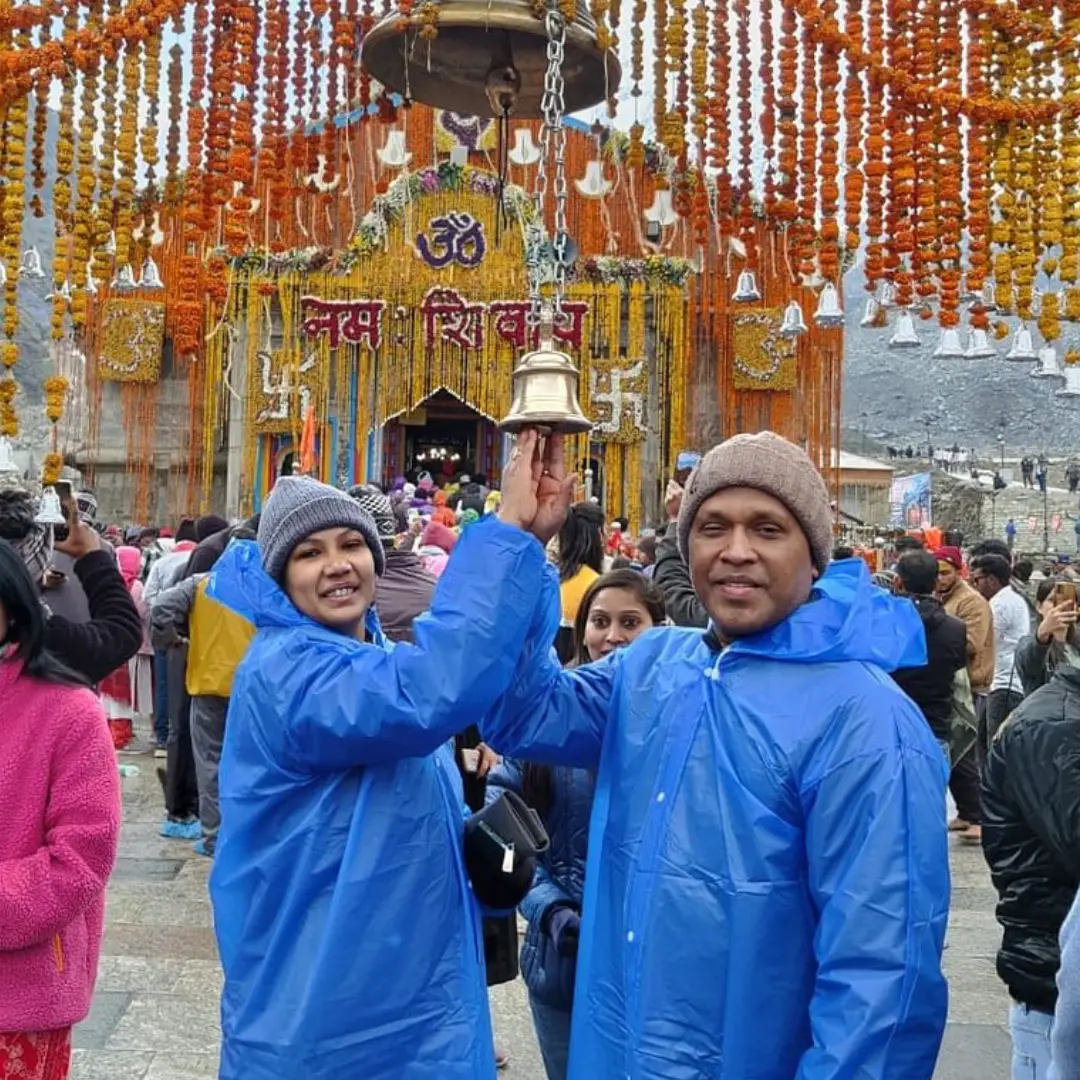
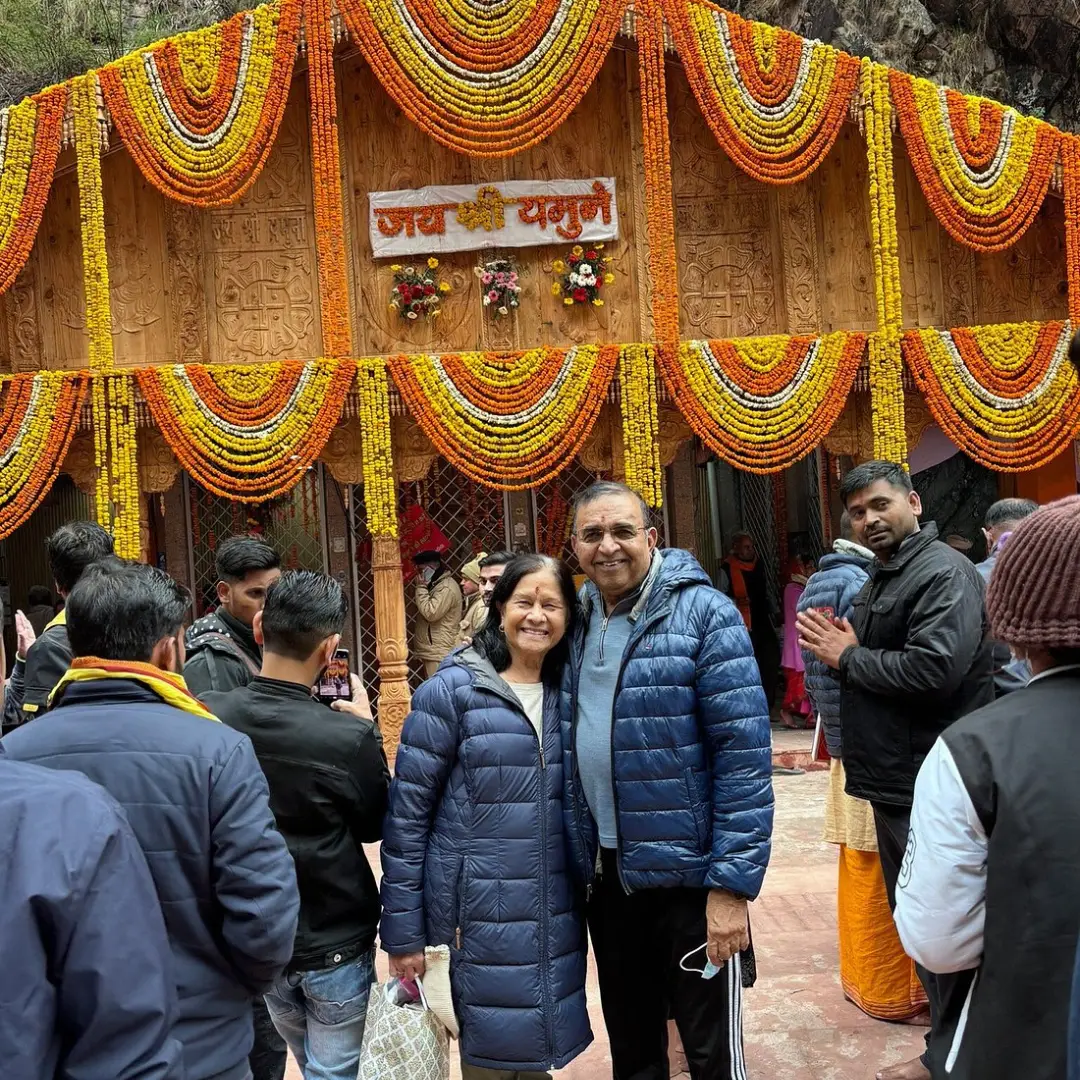
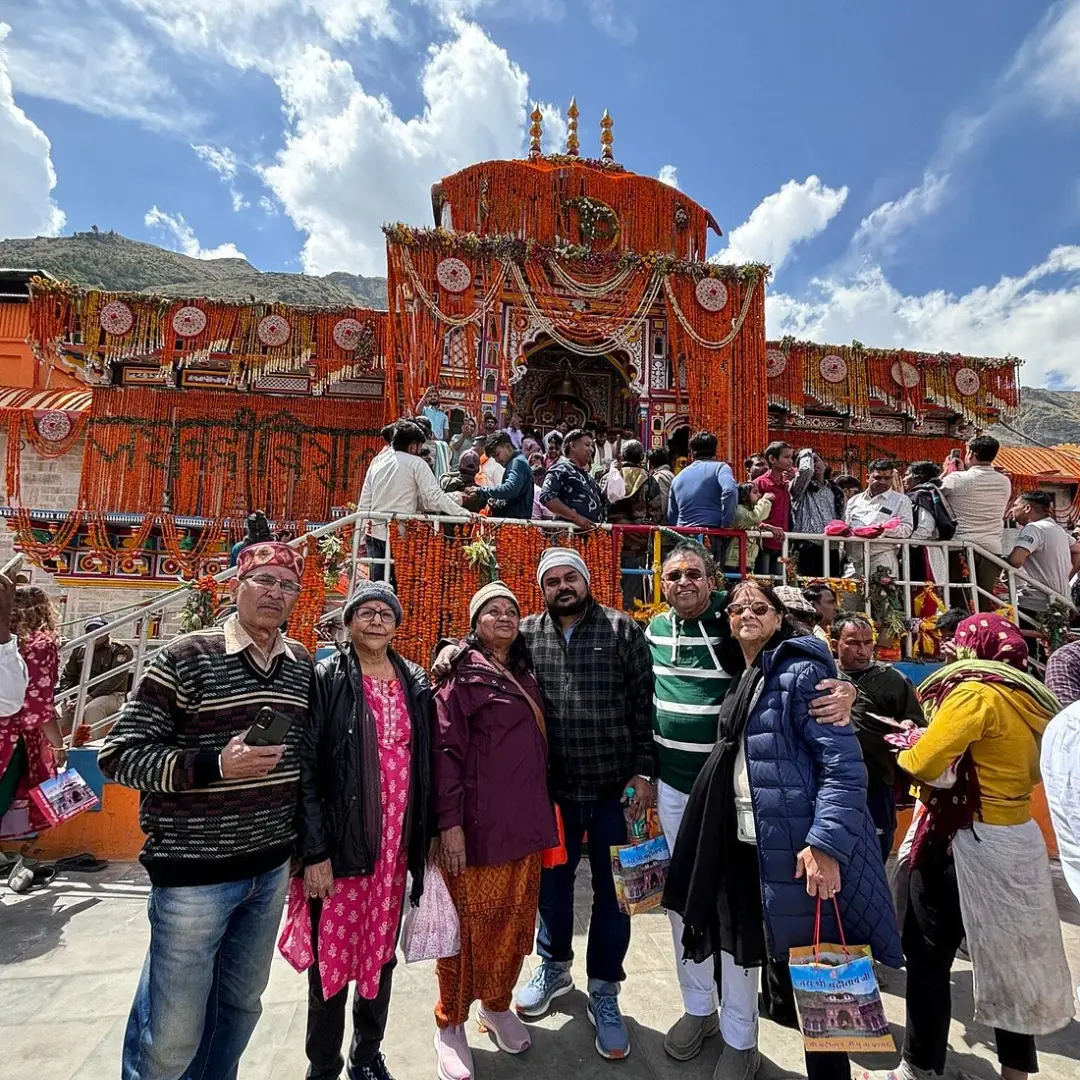
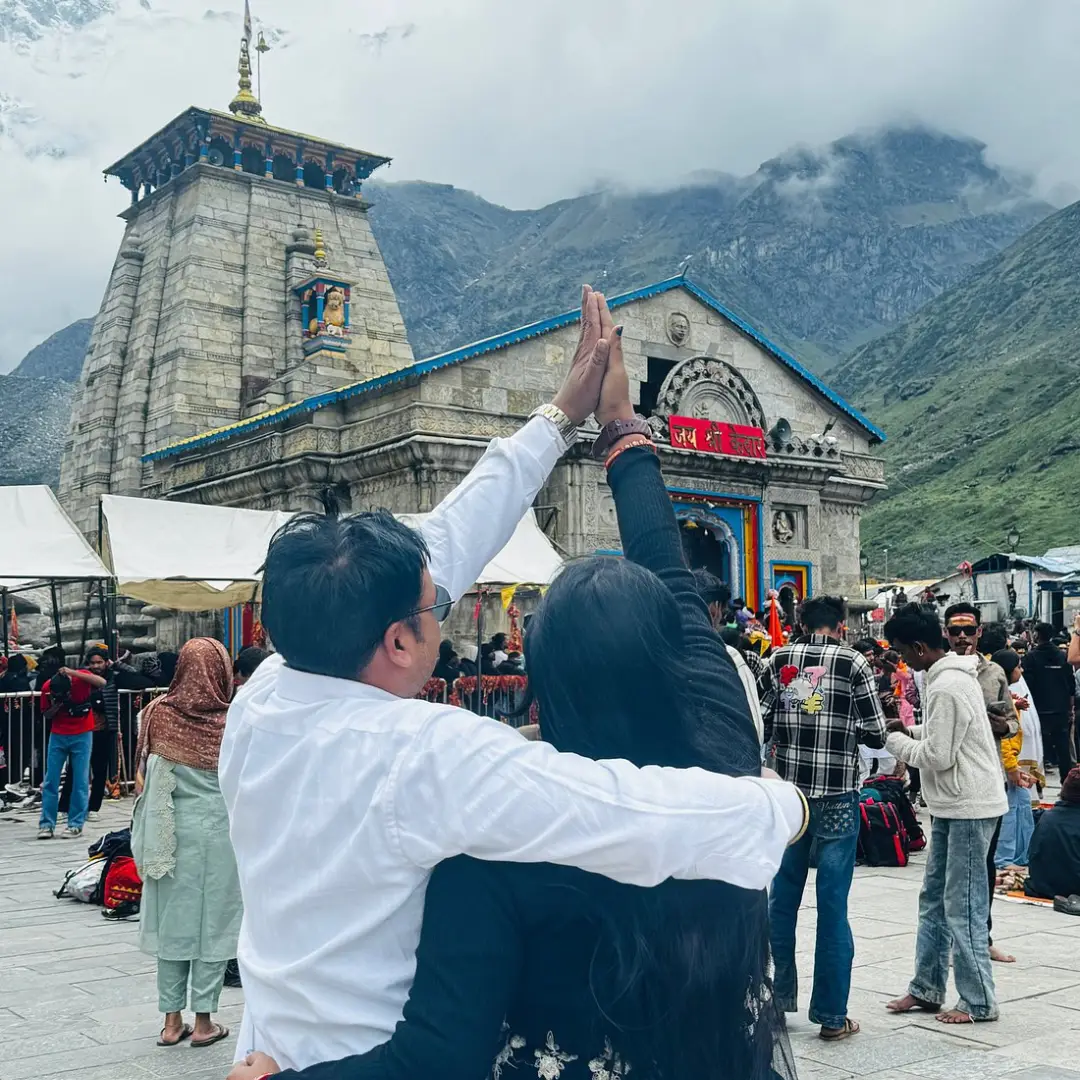
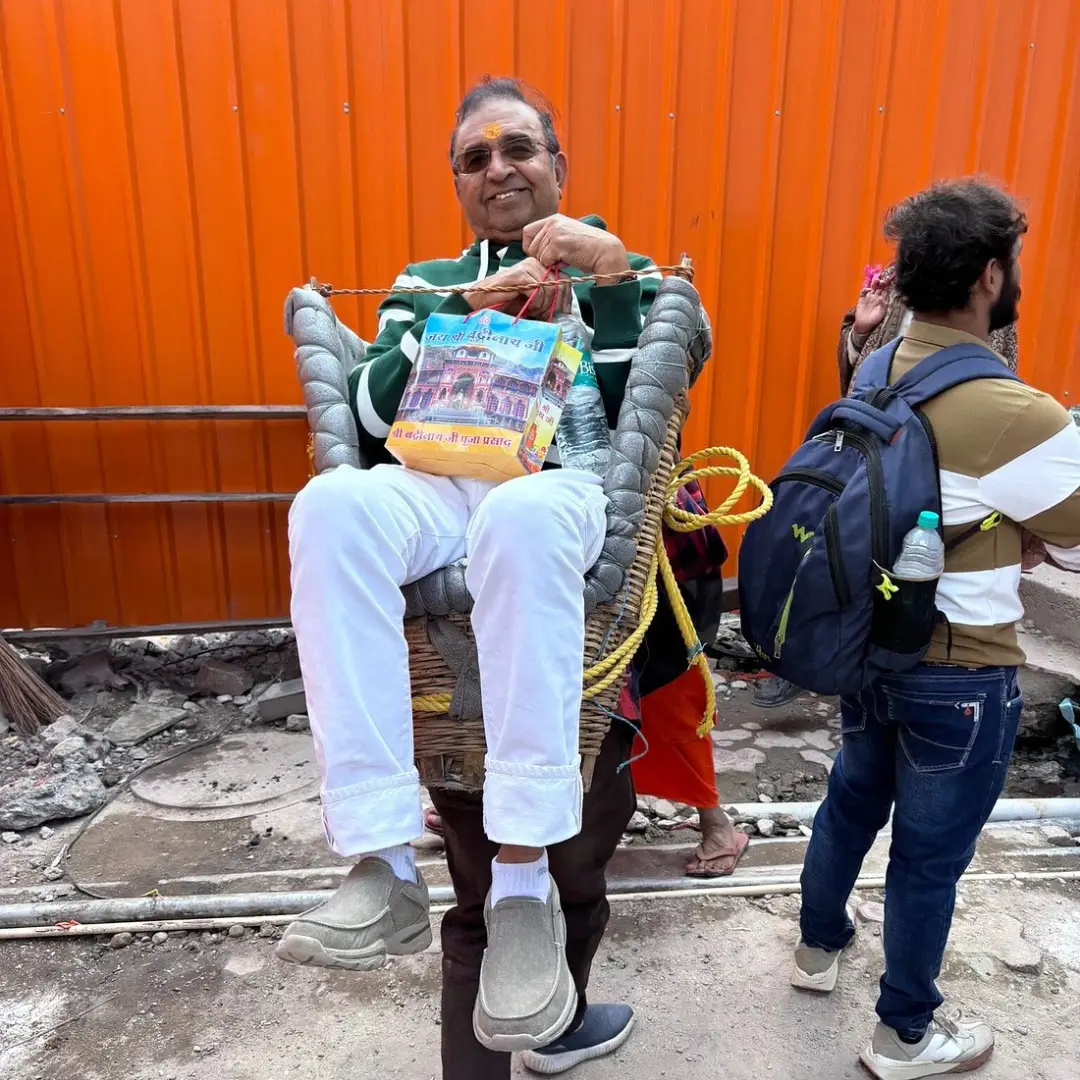
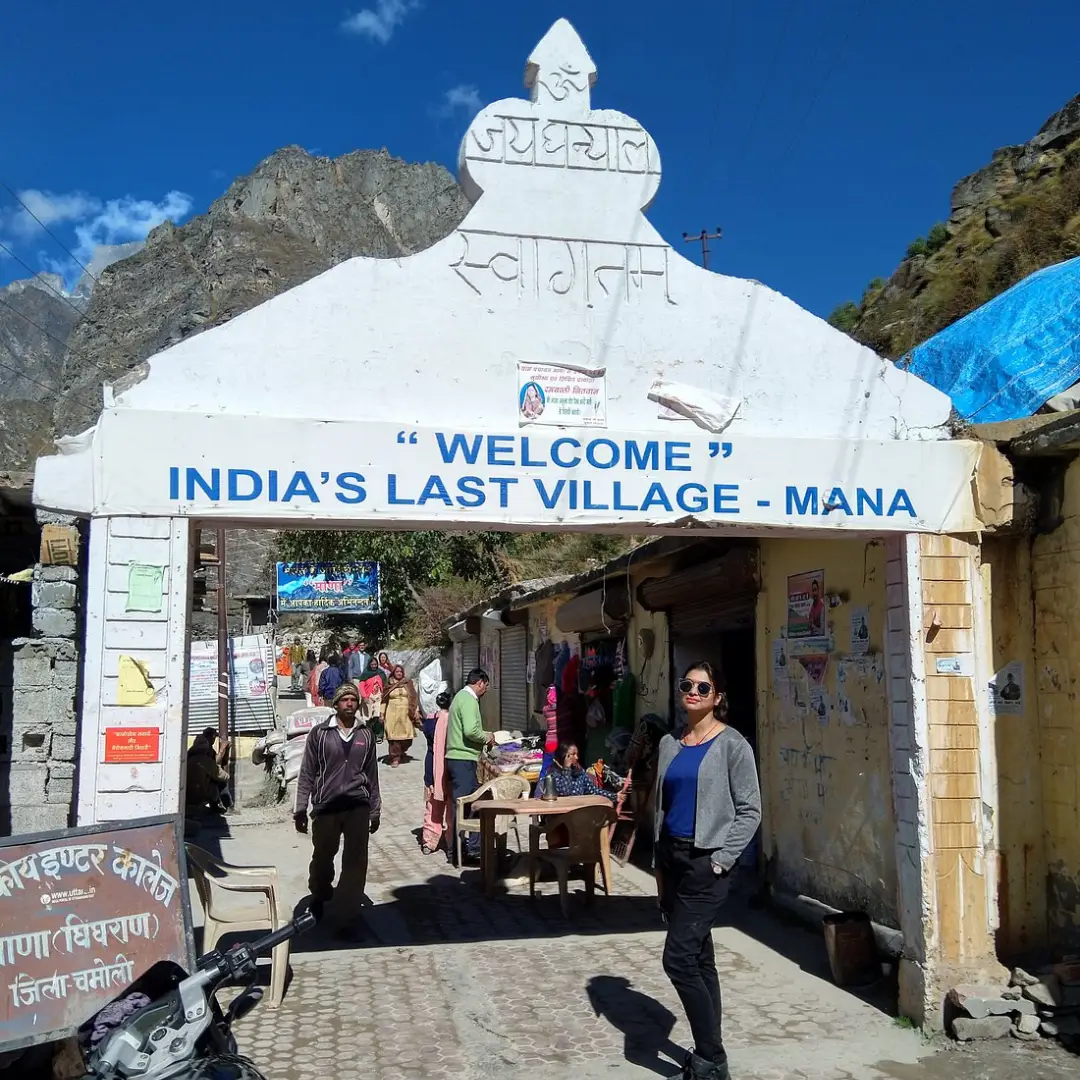
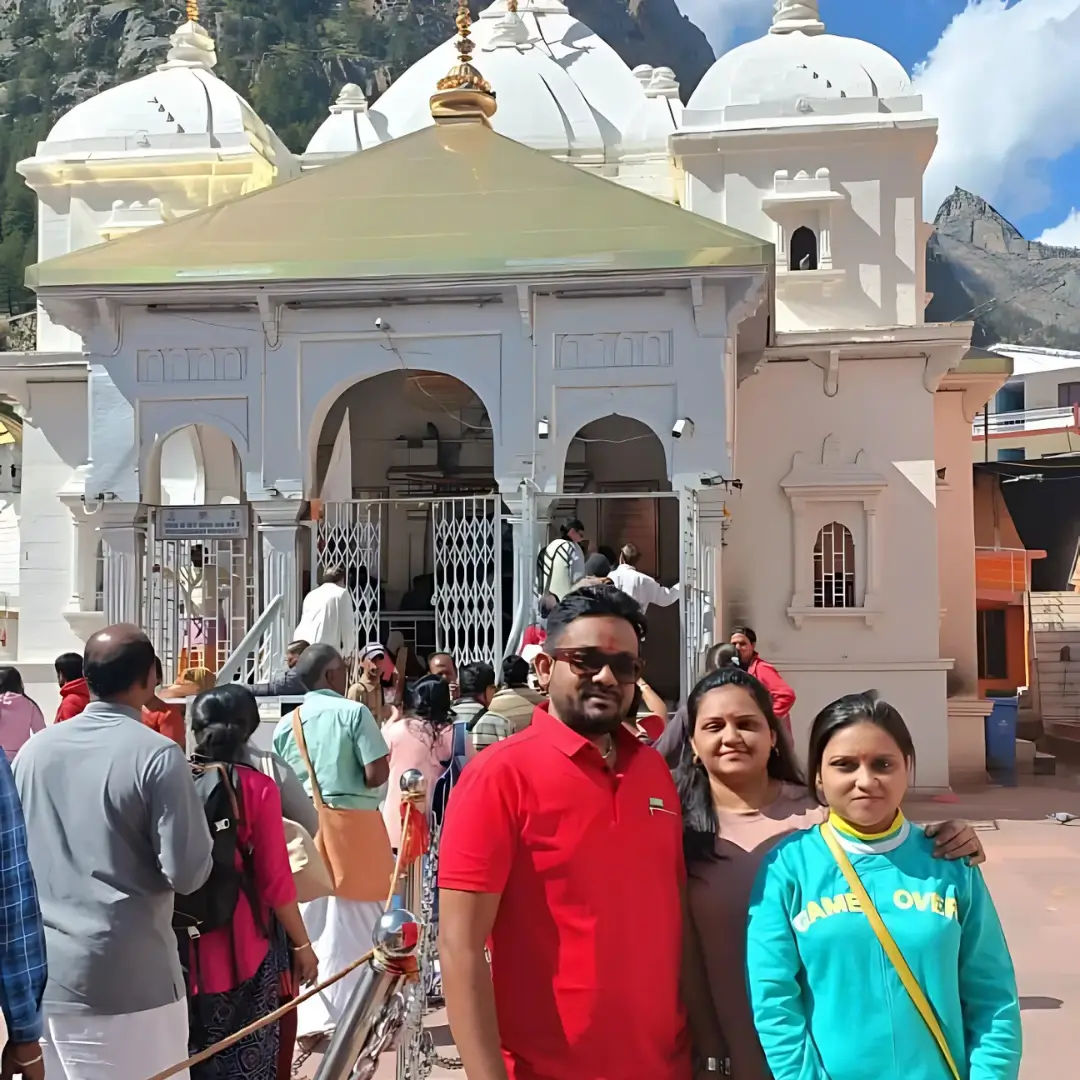
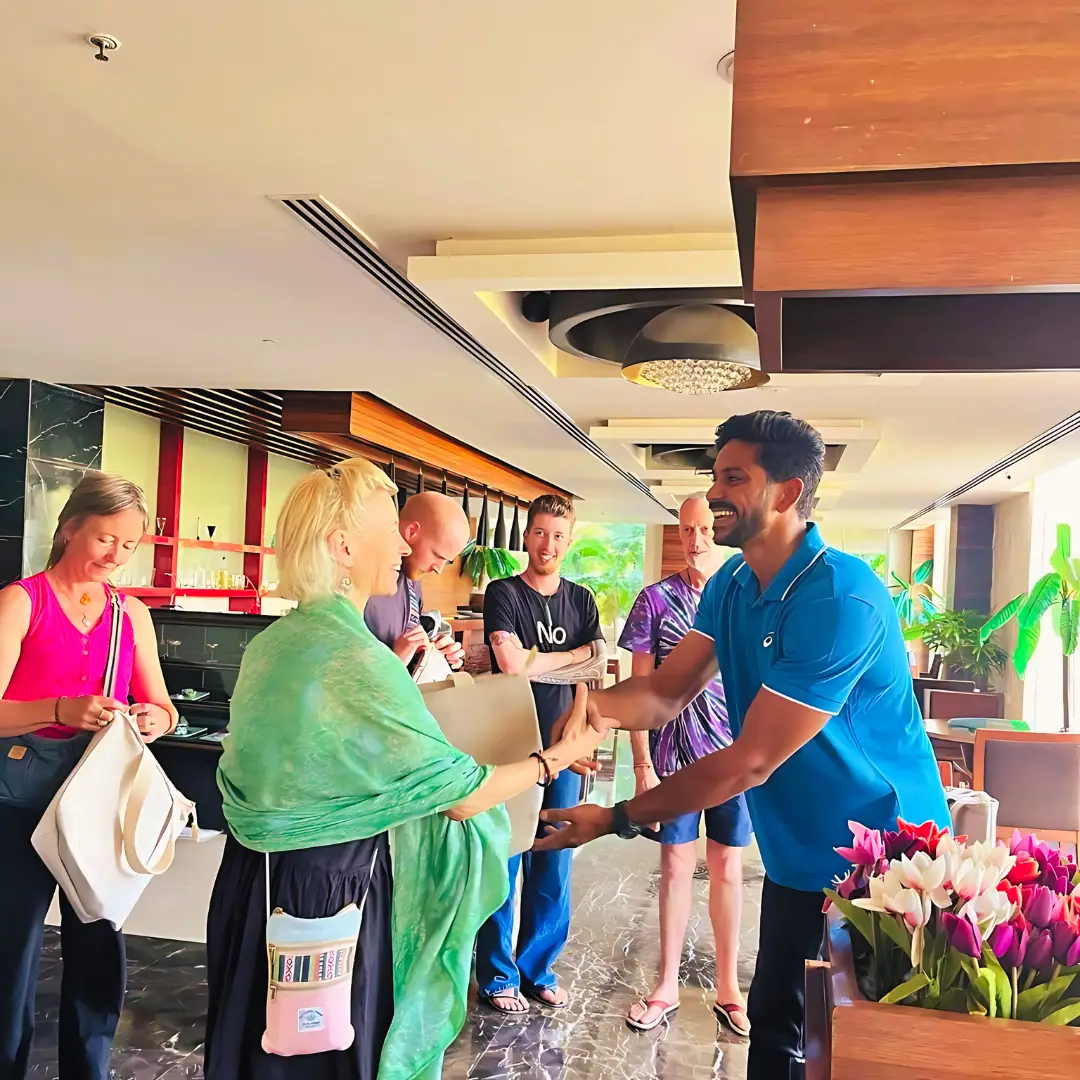
Trustindex verifies that the original source of the review is Google. Our experience of Do dham with Travel Vaidhya was good. Our coordinator Srashti was very patient n responded quickly. Stays were good . Everything was on time mostly. Due to good weather heli rides were on time n good darshan too. Food was amazing except Hyatt , Dehradun. Food there was cold n not very good. Transport arrangements and the guides were very good. Patient with our requests.Posted onTrustindex verifies that the original source of the review is Google. A Divine & Hassle-Free Experience My wife and I had the blessed opportunity to visit and through a helicopter tour arranged by Travel vaidya. Mr. Akshay guided us with great care and ensured everything was smooth and well organized. We were especially impressed by how they took special care of senior citizens in the group, no hassle of logistics etc, making the yatra comfortable for everyone. Highly recommend this agency to all devotees planning their trip. Truly a memorable and divine experiencePosted onTrustindex verifies that the original source of the review is Google. Great experience All the staff were very friendly and accomodative.Posted onTrustindex verifies that the original source of the review is Google. Me and my husband visited Rishikesh through Travel Vaidya. We wanted a peaceful trip and Srashti madam suggested a nice riverside stay. It was first time for us and everything was managed properly, from transfers to stay. We are thankful to Srashti and Travel Vaidya for giving us a good Rishikesh experience.Posted onTrustindex verifies that the original source of the review is Google. Our family of 6 did char dham yatra by road with Travel Vaidya. Honestly, such a long trip we thought will be tiring but Ravikant ji planned it very well. Driver was safe, food was simple and good, hotels were comfortable. The darshan at each dham was done calmly, not rushed. We are thankful to Travel Vaidya for such careful planning and Ravikant for looking after us.Posted onTrustindex verifies that the original source of the review is Google. We travelled 7 friends to Auli with Travel Vaidya. Akshay bhai arranged cable car tickets and hotel near ropeway. Trip was handled very well, no stress at all. We enjoyed skiing and snow views. Thanks Akshay and Travel Vaidya for such a memorable tour.Posted onTrustindex verifies that the original source of the review is Google. 3 of us visited Haridwar and Rishikesh through Travel Vaidya. Ravikant helped us with local car and suggested good spots. Everything was done on time and we enjoyed Ganga aarti and Ram Jhula visit. Thanks Ravikant and Travel Vaidya for this nice short trip.Posted onTrustindex verifies that the original source of the review is Google. We travelled to Kedarnath in September, 3 of us together. Akshay ji gave full guidance and made sure we get good darshan without stress. The hotel at Guptkashi was neat and car was comfortable for mountain drive. Thanks Travel Vaidya for making our first Kedarnath trip smooth.Posted onTrustindex verifies that the original source of the review is Google. We did Char Dham helicopter yatra in September 2025 we were a 4 family members. Travel Vaidya arranged it nicely, felt like very reliable people. Mr. Akshay himself was in touch and guided us whenever needed. Whole journey was smooth and we got darshan at all dhams without any tension. Thanks to the team for this memorable trip.Posted onTrustindex verifies that the original source of the review is Google. I went Kedarnath yatra with my parents, booked by Travel Vaidya. Ravikant bhai helped in route planning and driver was very reliable. Darshan happened smoothly and parents were very happy. Thanks to Travel Vaidya for making it simple for us.Verified by TrustindexTrustindex verified badge is the Universal Symbol of Trust. Only the greatest companies can get the verified badge who has a review score above 4.5, based on customer reviews over the past 12 months. Read more
Related Tours

Frequently Asked Questions
1. How much time required for Char Dham Yatra from Haridwar?
2. What is the total distance of Char Dham Yatra from Haridwar?
The yatra covers around 1,600 km, including road travel and trekking. Yamunotri requires a 6 km trek, while Kedarnath has an 18 km trek. The roads are steep and winding, requiring careful planning for long travel hours.
3. What is the best time to visit Char Dham from Haridwar?
May–June and September–October are ideal. Monsoons (July–August) bring landslides, making travel risky. Winters (November–April) see heavy snowfall, closing the temples. Traveling in the early season avoids peak crowds and improves accessibility.
4. What travel options are available for Char Dham Yatra from Haridwar?
Pilgrims can travel by private taxis, shared cabs, buses, or helicopters. Taxis offer comfort, while shared cabs and buses are budget-friendly. Helicopters provide a faster, convenient option, especially for senior citizens and those with time constraints.
6. How much does a Char Dham Yatra from Haridwar cost?
Budget packages start from ₹28,000–₹32,000 per person, covering transport, meals, and stay. Luxury and helicopter tours range from ₹55,000 to ₹2 lakh. Prices depend on transport type, hotel category, and additional services.
7. What kind of hotels are available in Char Dham packages from Haridwar?
Accommodation options include budget lodges, deluxe hotels, and premium resorts in major stopovers like Barkot, Uttarkashi, Guptkashi, and Joshimath. Basic guesthouses are available near temple areas.
8. What is the road condition for Char Dham Yatra?
Roads are mostly good but have steep climbs, sharp turns, and landslide-prone areas, especially in monsoon.
9. Is Char Dham Yatra safe for senior citizens?
Yes, but they should travel at a comfortable pace, use ponies or palanquins for treks, and carry necessary medicines. Helicopter tours are a convenient alternative for senior pilgrims.
10. How is the weather like during Char Dham Yatra?
- Summer (May–June): Pleasant, 10°C–25°C.
- Monsoon (July–August): Heavy rains, landslides.
- Post-monsoon (Sept–Oct): Cool and clear.
- Winter (Nov–April): Harsh cold, temples close.
11. What should I pack for Char Dham Yatra?
Carry warm clothes, comfortable shoes, rain gear, ID proof, medicines, flashlight, and dry snacks.
12. Are medical facilities available on the Char Dham route?
Yes, basic medical camps, first-aid, oxygen cylinders, and dispensaries are available. Major hospitals are in Rishikesh and Dehradun.
13. Is mobile network available at Char Dham temples?
Only BSNL, Jio, and Airtel work in most areas. Internet is limited, so inform family in advance.
14. What are the food options during Char Dham Yatra?
Only vegetarian food is served, with simple North Indian and local Pahadi meals available at dhabas and restaurants. Many places offer sattvic meals near temples.
15. What permits are required for Char Dham Yatra?
All pilgrims must register on the Uttarakhand government’s official portal before starting their journey. Additional biometric registration may be required at key checkpoints.
16. What are the major challenges of Char Dham Yatra?
Challenges include long travel hours, altitude sickness, rough terrains, unpredictable weather, and limited medical facilities in remote areas. Proper planning and fitness help overcome these difficulties.
17. How difficult are the treks to Yamunotri and Kedarnath?
The Yamunotri trek is 6 km from Janki Chatti, and Kedarnath requires an 18 km trek from Gaurikund. Ponies, palanquins, and helicopter services are available for assistance.
18. Are ATMs and medical facilities available on the route?
The Yamunotri trek is 6 km from Janki Chatti, and Kedarnath requires an 18 km trek from Gaurikund. Ponies, palanquins, and helicopter services are available for assistance.